 Favorites
 Messages


 Ads


 Login
Apartments for sale in Torrevieja & Surroundings
276 properties

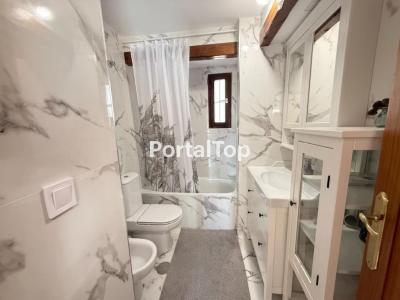
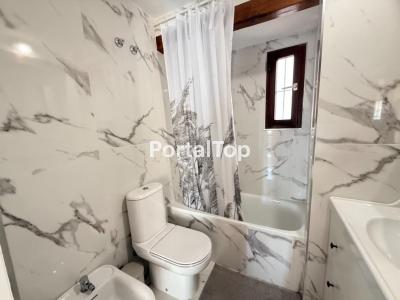
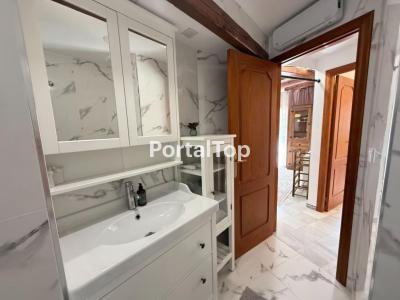
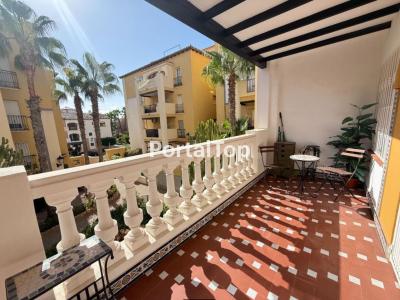
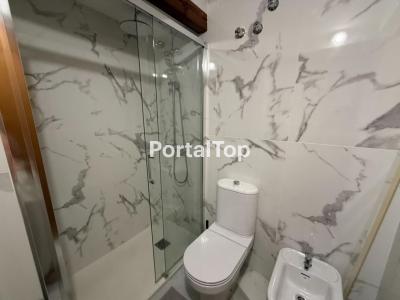
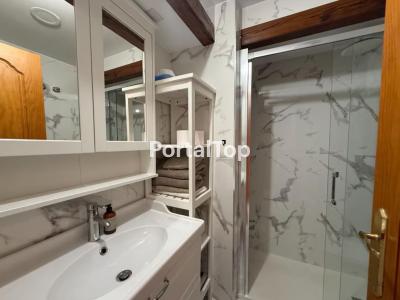
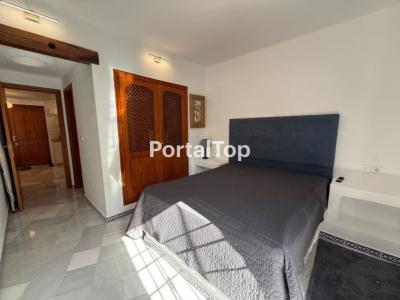
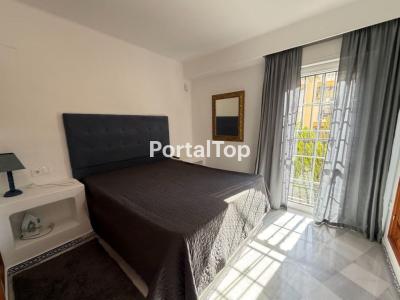
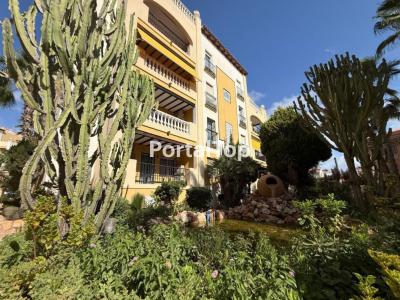
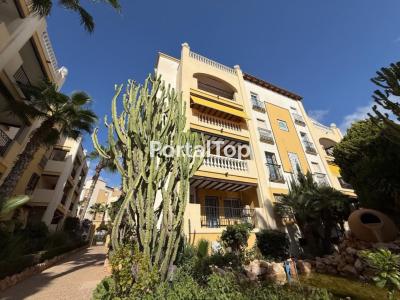
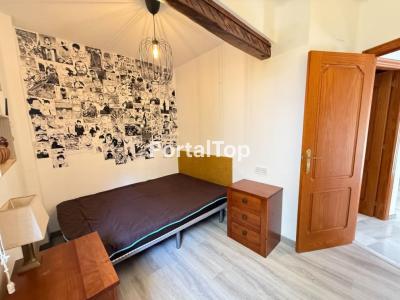
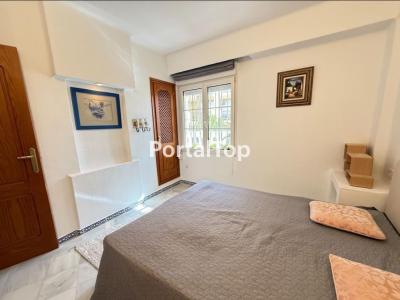
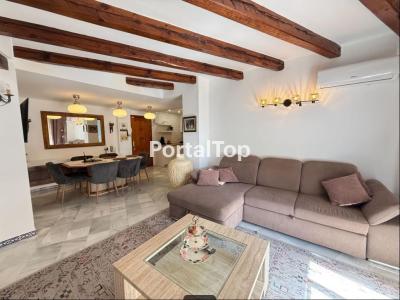
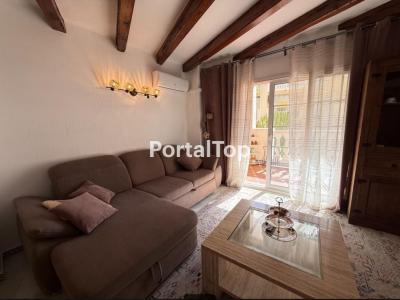
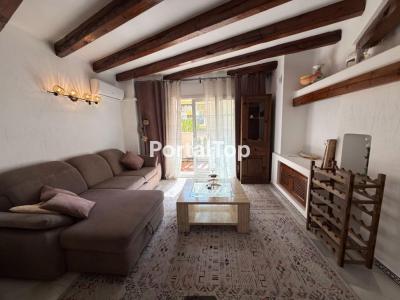
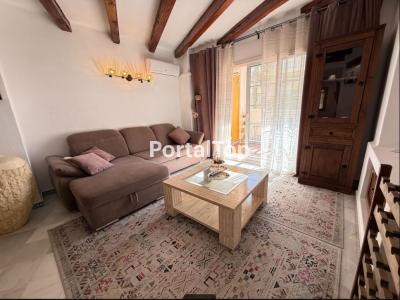
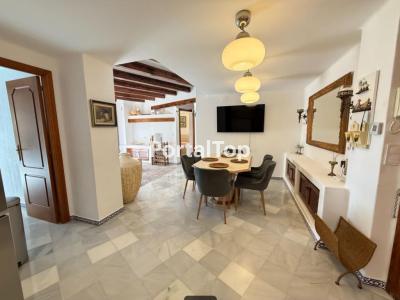
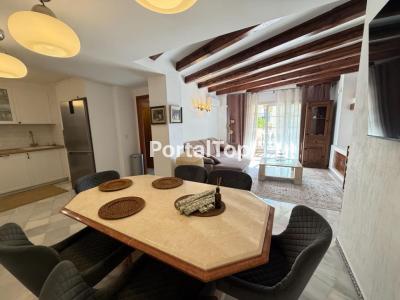
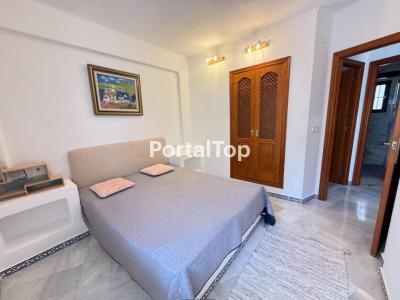
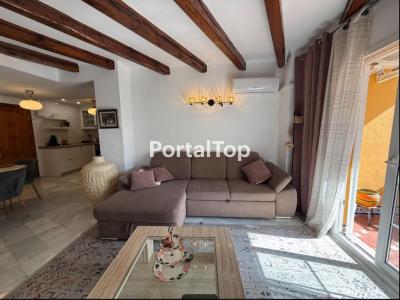
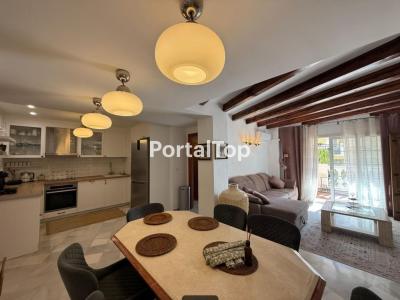
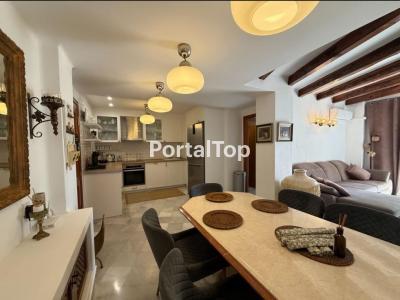
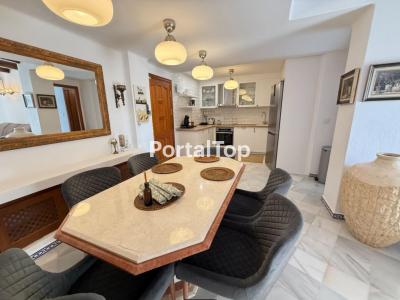
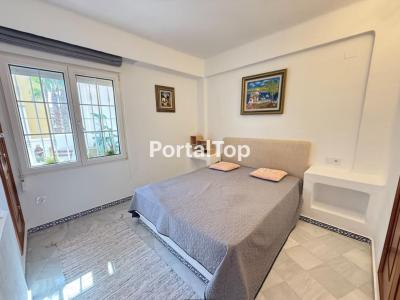
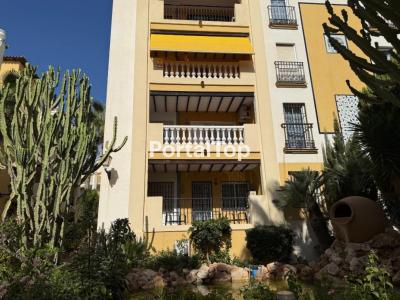



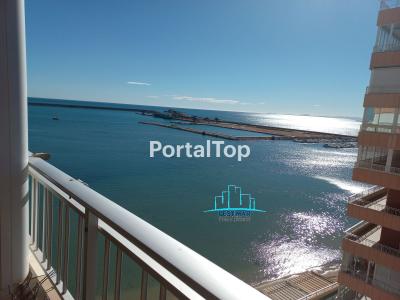
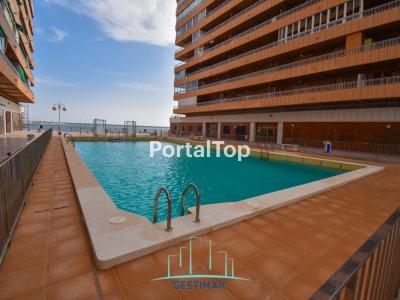
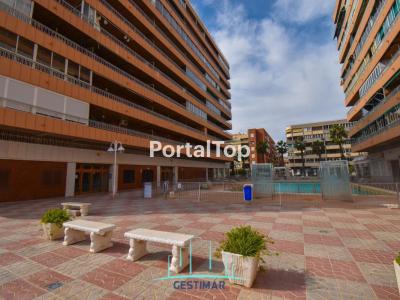
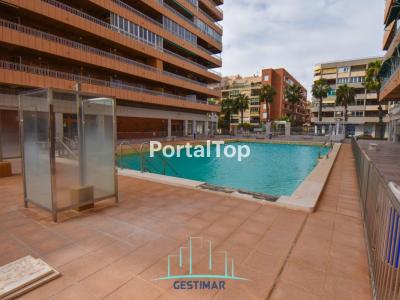
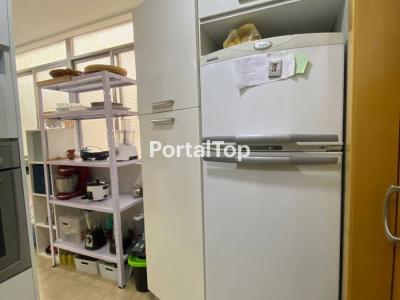
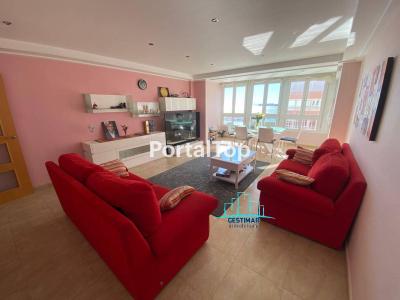
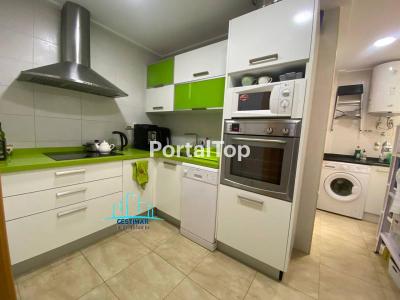
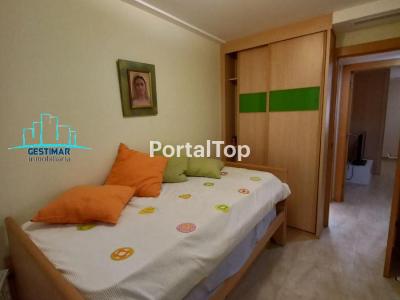
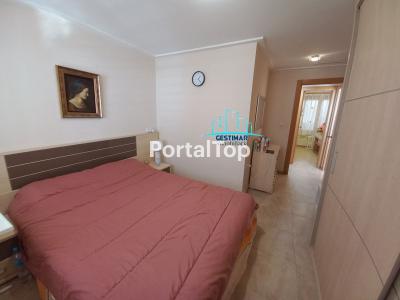
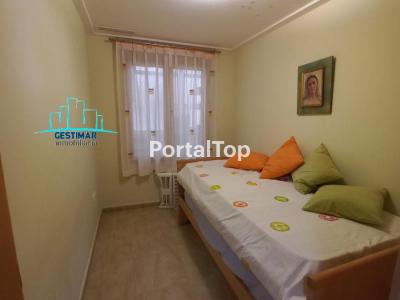
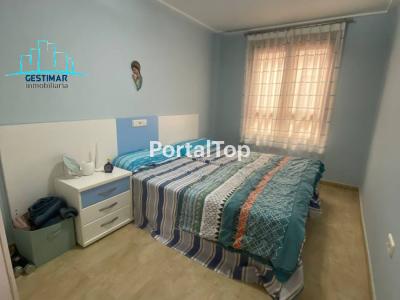
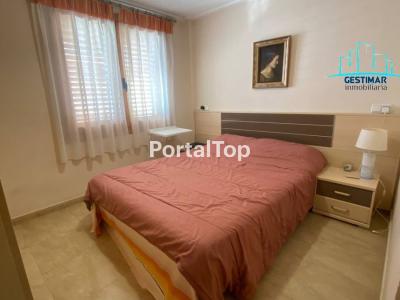
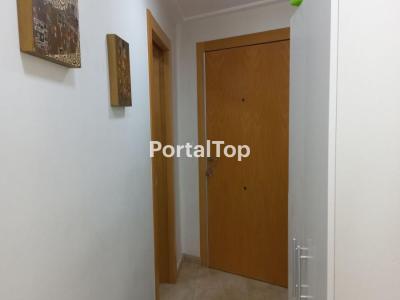

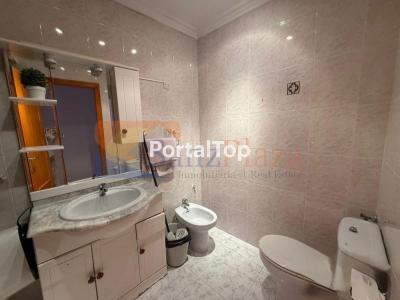
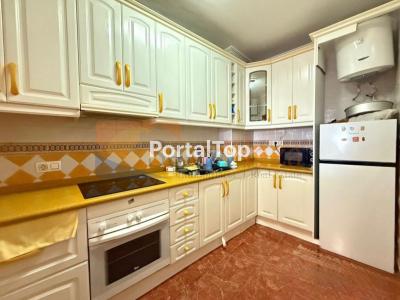
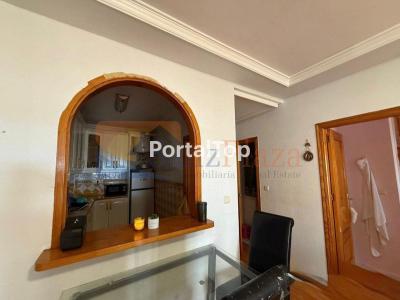
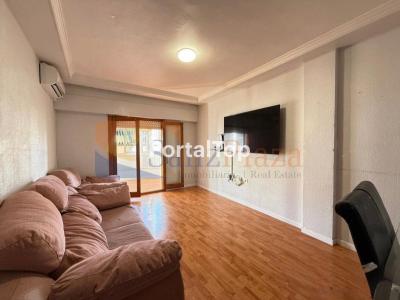
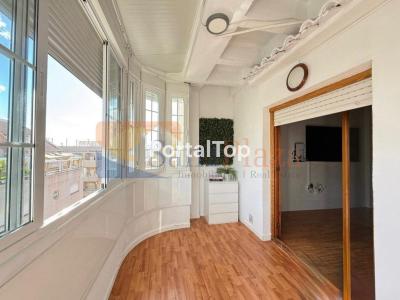
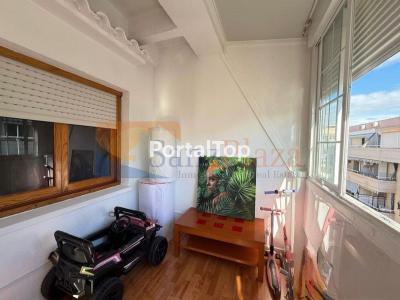
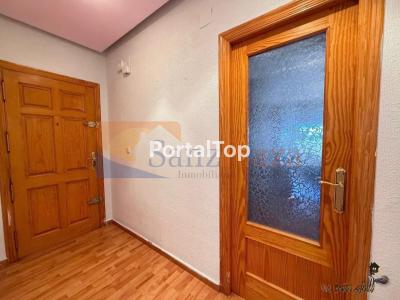
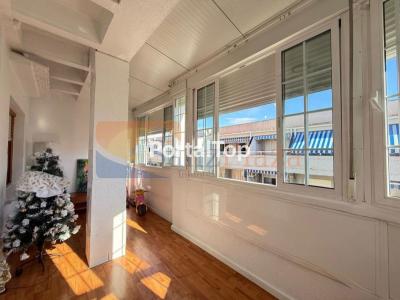
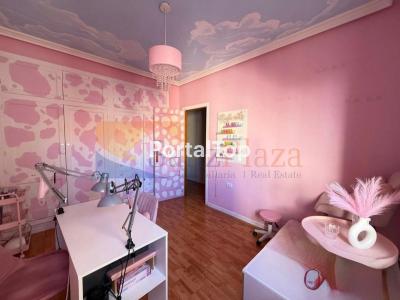
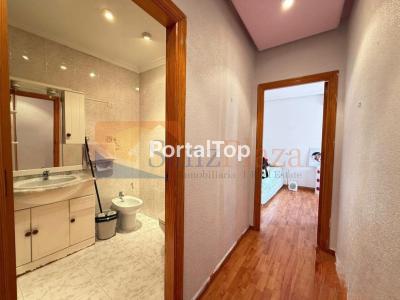
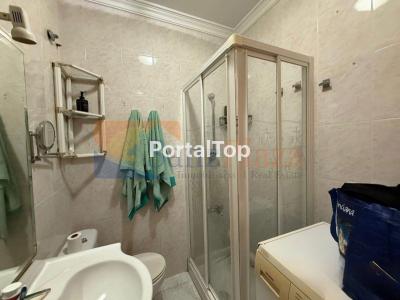
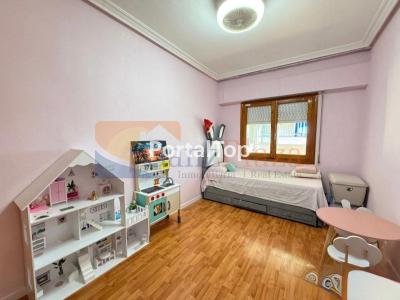
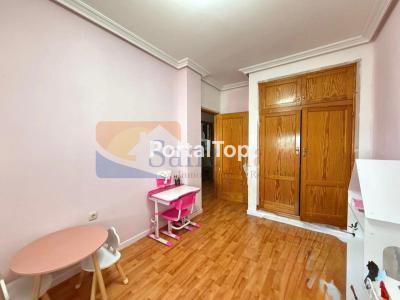
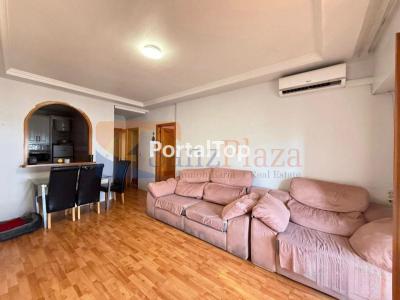


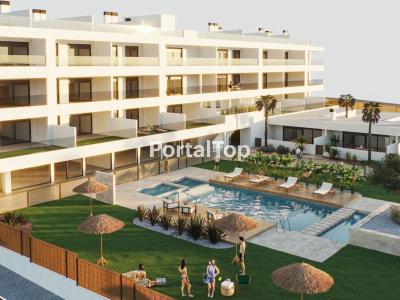
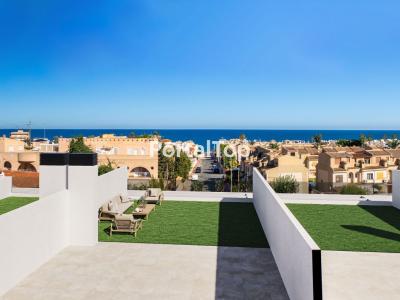
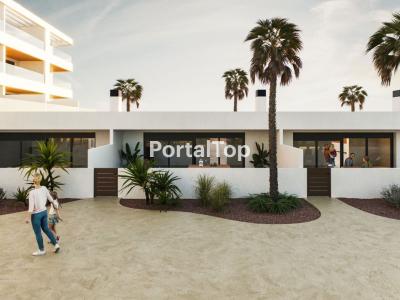
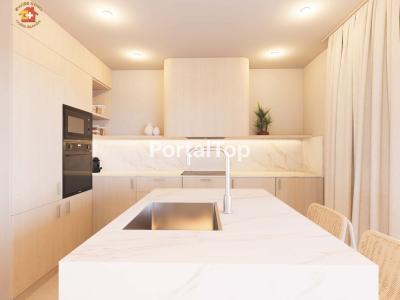
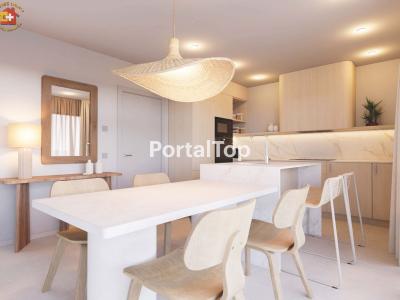
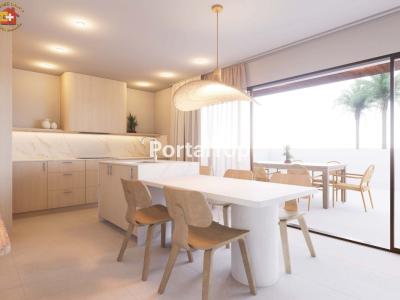
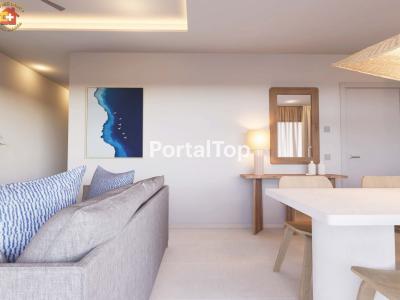
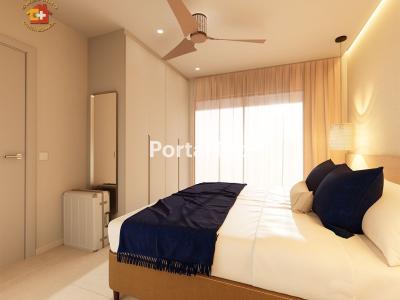
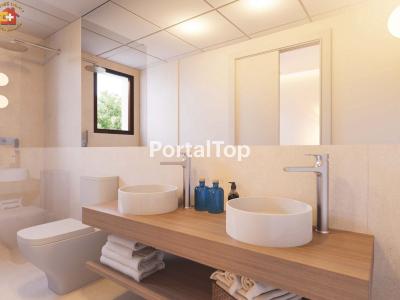
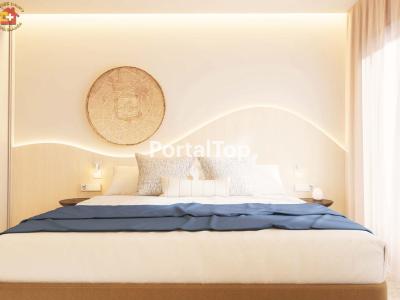
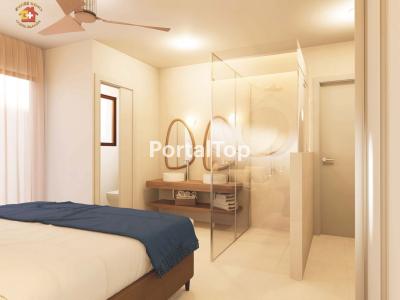
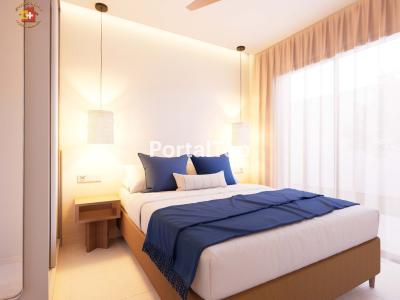
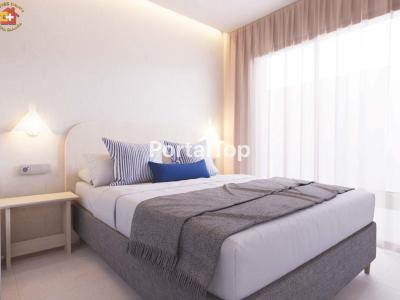
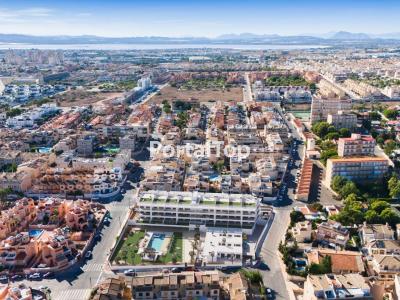

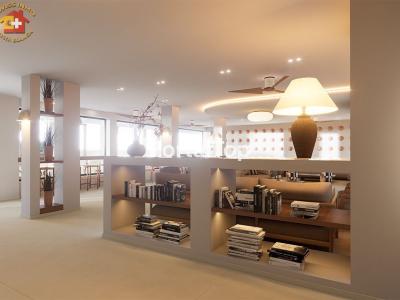
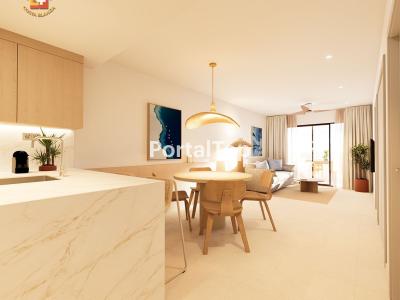
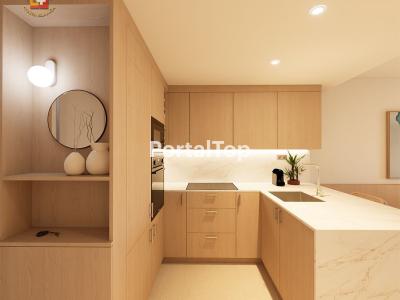
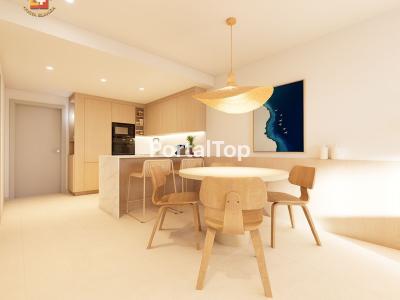
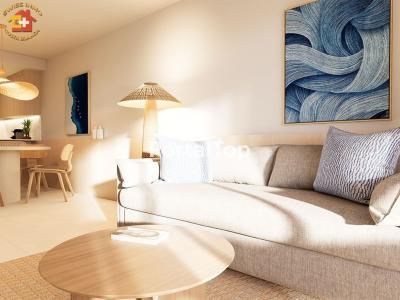
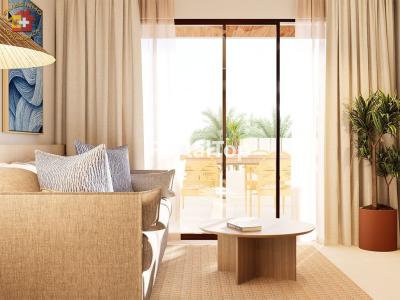
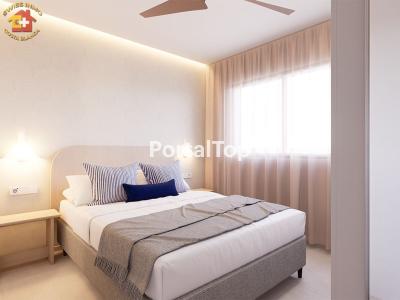
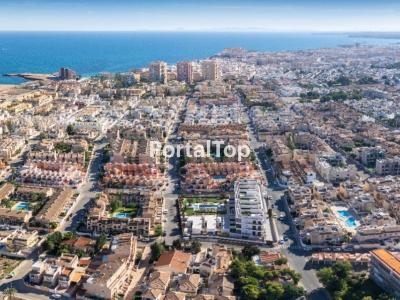

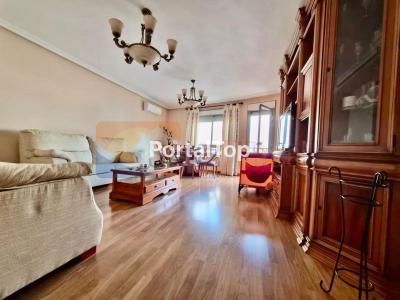
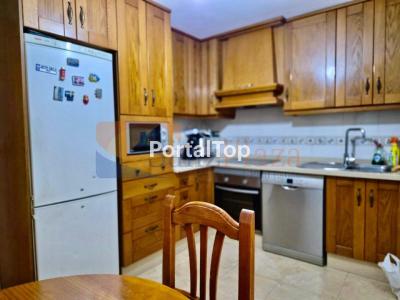
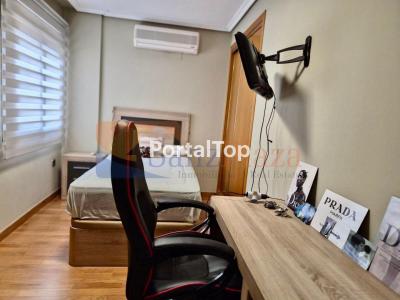
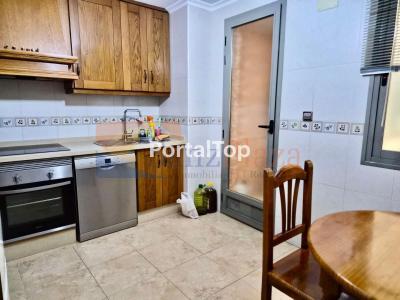
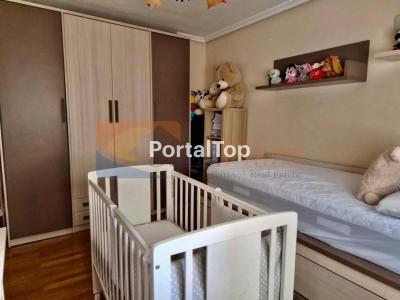
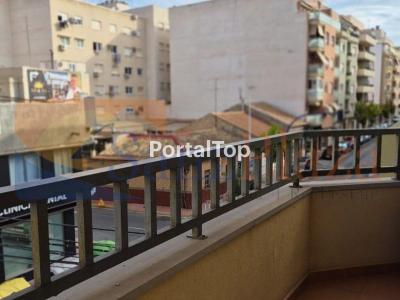
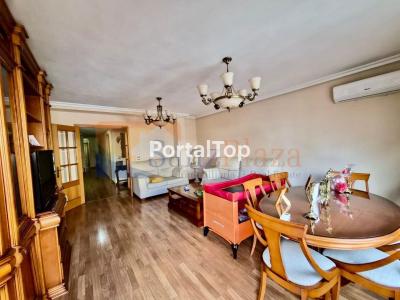
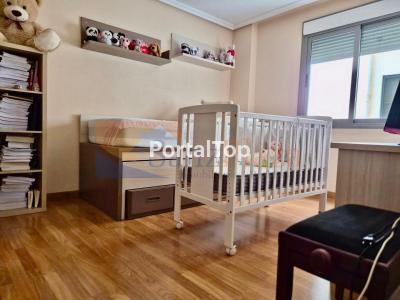
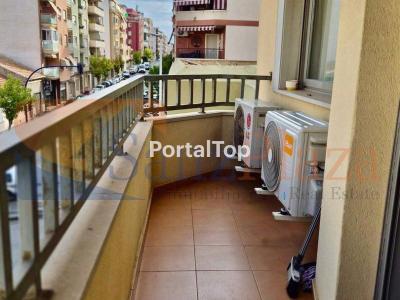
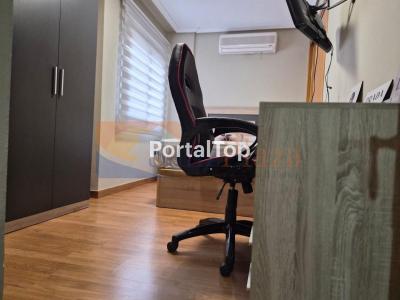
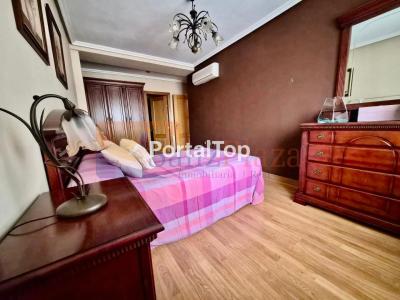
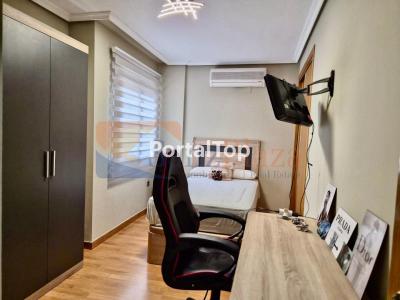
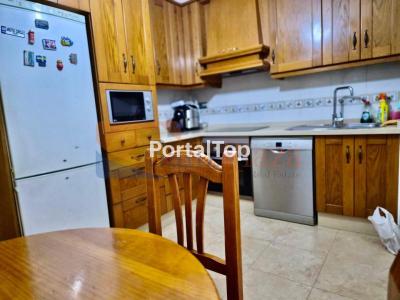
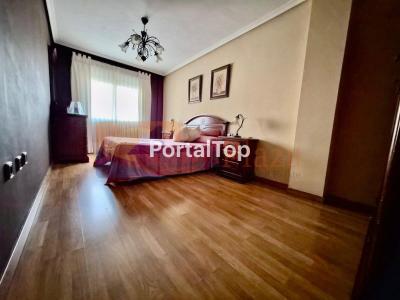
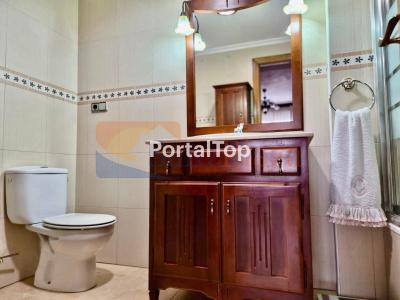
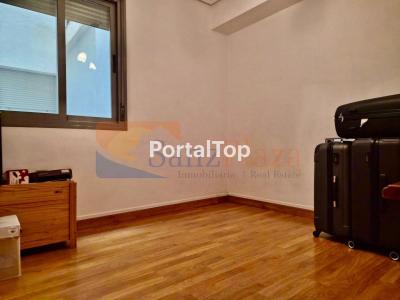
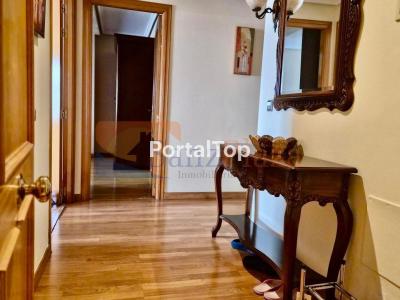
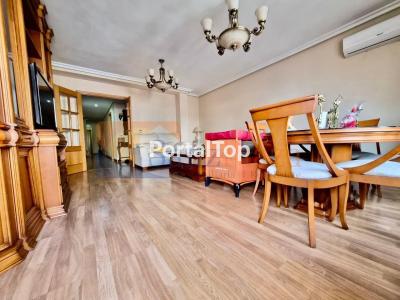
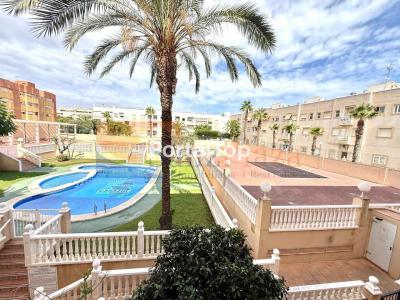
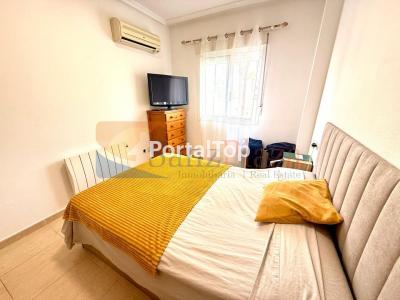
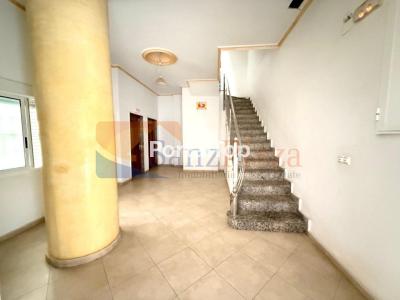
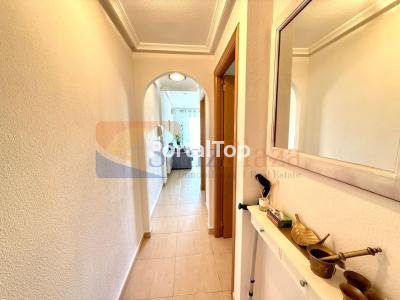
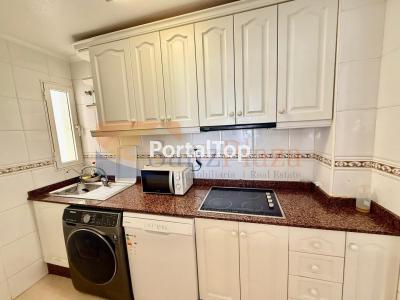
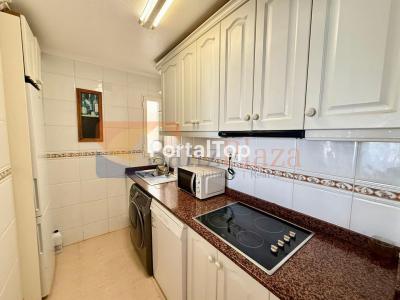
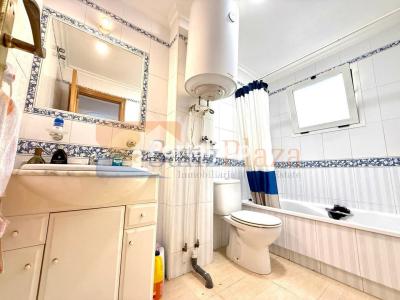
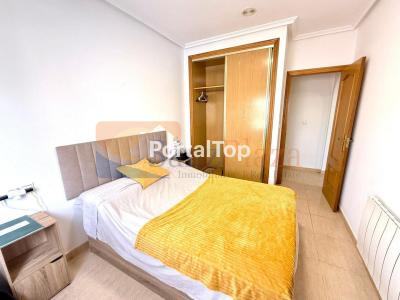
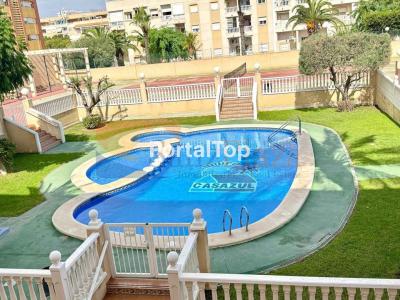
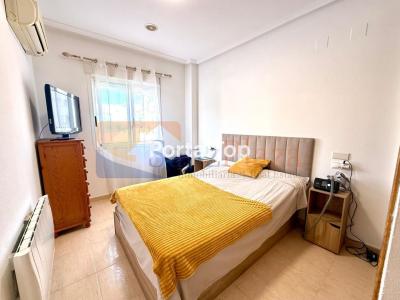
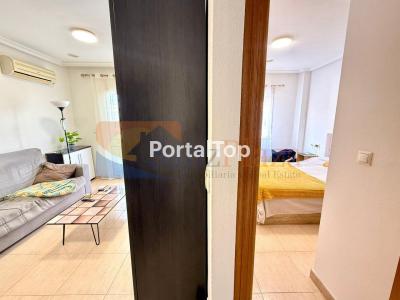
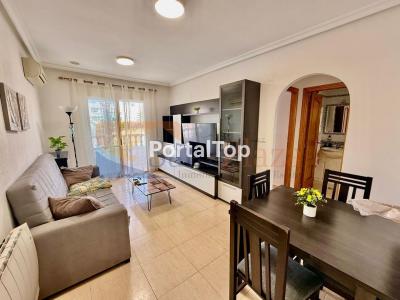
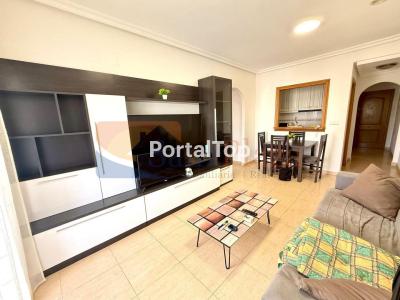
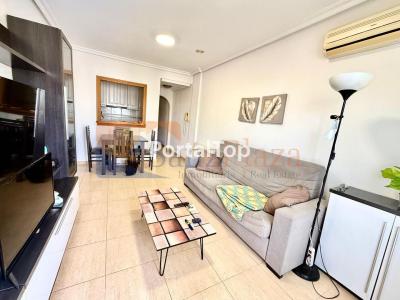
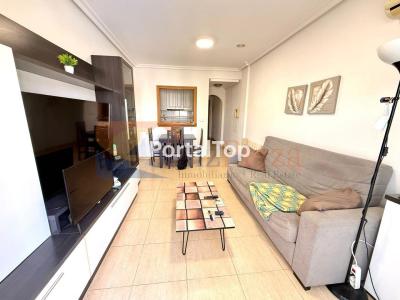
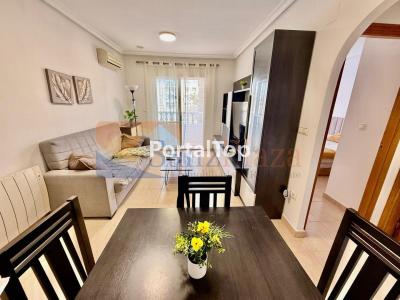
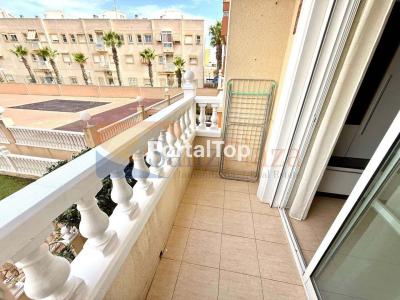
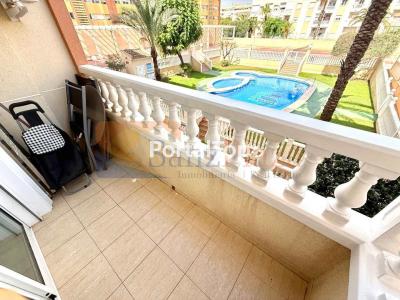
0 From 276 ad|ads
Explore districts in Torrevieja & Surroundings
- Centro (67)
- La Mata (12)
- Nueva Torrevieja - Aguas Nuevas (4)
- Playa de los Locos (19)
- Playa del Acequión, Náufragos y Rocío del Mar (3)
- Playa del Cura (3)
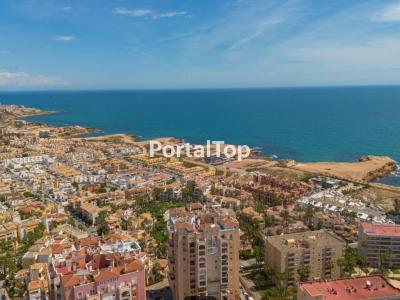
Torrevieja: a city wedged between the open sea and two salt lagoons
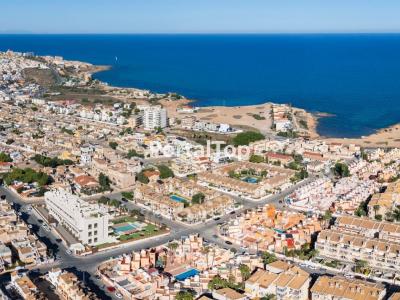
Torrevieja sits 44 kilometres down the coast from Alicante-Elche airport, at the southern end of the Vega Baja del Segura comarca (district of the province). The city faces the sea on one side and a protected wetland on the other, since the natural park of the La Mata and Torrevieja lagoons covers 3,700 hectares and its larger lagoon of 1,400 hectares turns pink in the warmer months through the microorganism Dunaliella salina. That double frontage decided where the estates could spread.
The municipal register opened 2026 with 110,500 residents, and a later count in the same year reached 113,453 people of 120 nationalities, roughly 57% of them foreign nationals. The Ukrainian, Colombian, Russian, British and Moroccan communities are the largest ones. By population this is the third city of the province of Alicante, and it works all year rather than only in summer.
Apartment prices in Torrevieja for buyers (Updated October 2026)
Asking levels for apartments for sale in Torrevieja run from 73 630 € to 999 990 €, with a mid point of 295 181 €. Measured against the built area of the flat itself, excluding communal space and plot, the range goes from 982 €/m² to 10 659 €/m², with an average of 3 312 €/m². The width of that range follows the mix of the housing stock, because dense town-centre blocks sit alongside schemes scattered across estates such as Los Balcones, La Siesta and San Luis.
Inside the municipality the price moves with these factors:
- Actual walking distance to the sand. The Playa del Cura seafront and the promenade work at the top of the range, while plots set back from the shore drop several steps.
- Neighbourhood. Acequión usually stays below the town average, whereas La Mata, with its own beach and dune system, holds firmer levels.
- Floor area. Small flats carry the higher price per metre, because demand for compact homes runs ahead of what is available at any given moment.
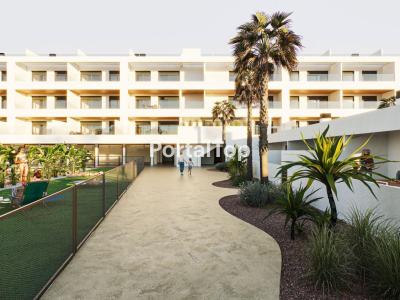
- Building specification. A lift, a parking space and a communal pool separate one scheme from another on the very same street.
Other factors hold the lower end down. Supply is spread right across the municipality, an equivalent flat almost always turns up in another neighbourhood, and the lack of rail means every address has to be judged on road access and on the urban bus line that serves it.
Torrevieja runs on roads and buses rather than on rail
The city has no railway station. The last passenger train arrived in 1970 and the salt branch line closed for good after the floods of 1986, so any rail journey starts in Alicante.
By road the picture reverses. The AP-7 motorway has its own exit here, the N-332 follows the shoreline and the CV-95 links the town with Orihuela and the inland part of the comarca. Alicante-Elche airport lies 44 kilometres away, with a direct Costa Azul coach from the bus station.
The urban network was rebuilt in 2026 around eight routes, one circular and seven numbered, with a fleet of 32 buses. The main axis follows Avenida Doctor Gregorio Marañón and ties neighbourhoods and estates to health centres, retail parks, beaches and the bus station.
The good and the awkward side of living in Torrevieja
In favour
- Certified beaches. Six blue flags in 2026: Cala Piteras, Los Náufragos, El Cura, Los Locos, Cabo Cervera and La Mata Sur.
- Hospital on the doorstep. The university hospital heads a health department that also covers Guardamar del Segura, Rojales and San Fulgencio.
- A town that stays open in winter. With more than 110,000 registered residents, shops, schools and services keep running out of season.
- Protected nature at the edge of the streets. The natural park, under international protection since 1989, begins where the estates end.
Against
- No railway. Every long trip is built around a car or an intercity coach.
- Summer pressure. Saturated parking, heavy traffic and residents' complaints about scooters and blocked pavements during the season.
- Internal distances. Los Balcones lies about five kilometres from the centre, and several estates depend on the bus or the car for almost everything.
Everyday services in Torrevieja follow the main avenues
State education combines primary schools such as Habaneras, Las Culturas and Romualdo Ballester with secondary institutes such as Mare Nostrum, Las Lagunas and Mediterráneo, and there is an official language school as well. Primary care is split by zone, with health centres at San Luis, La Siesta and Acequión.
Shopping runs through the Habaneras centre, opened in 2005, the weekly street market on Avenida Delfina Viudes and Zenia Boulevard a few minutes away by road. On the shoreline, La Mata beach stretches for more than two kilometres behind a dune system, and the Acequión channel links the lagoons with the sea.
Frequently asked questions
What is Torrevieja like to live in?
It is a large town that does not empty out in winter, with more than 110,000 registered residents and its own shops, schools and healthcare all year. The trade-off is heavy summer traffic and difficult parking in the beach areas.
Does buying to let make sense here?
Demand is not limited to the summer, because the town keeps more than 110,000 registered residents and year-round services. In high season interest concentrates on the seafront, while for the rest of the year it comes mainly from residents.
What is the quality of life in Torrevieja?
On the plus side there are six blue flag beaches in 2026, a university hospital of its own and a 3,700 hectare natural park at the edge of the built-up area. On the minus side sit the missing railway and the seasonal congestion.
How many apartments for sale in Torrevieja are on the market right now?
Live supply stands at 276 properties spread between the town centre, the seafront and the southern estates. The figure shifts week by week, as many homes come on and off the market with the season.
What is the average property price in Torrevieja?
The mid point of the local market sits at 295 181 €, and per built square metre it runs around 3 312 €/m². Within that average, distance to the sea and the specification of the building do most of the work.
Which is the best area of Torrevieja to live in?
It depends on how you plan to use the flat. Playa del Cura and the promenade concentrate walkable town life, La Mata offers a long beach and a quieter feel outside July and August, and Los Balcones, some five kilometres from the centre, suits buyers who want an estate and a car. Acequión is usually the most affordable choice.