





 Ads



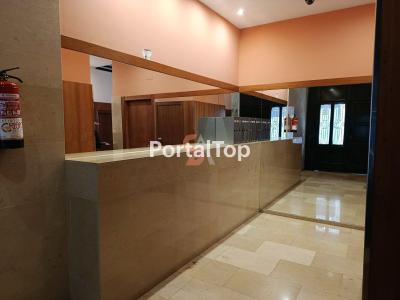
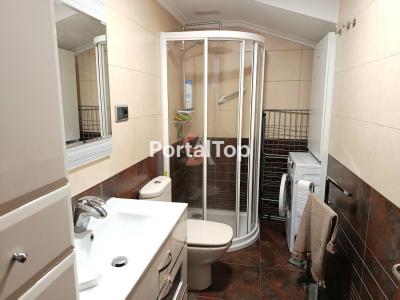
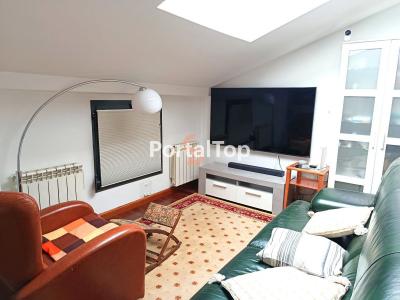
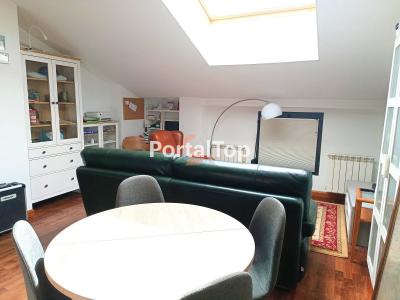
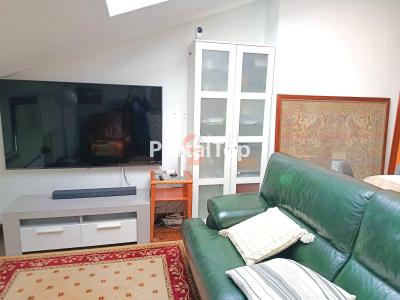
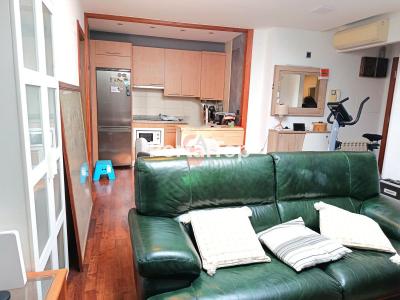
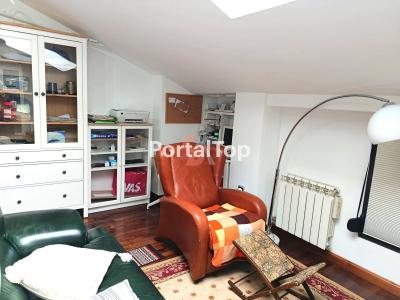
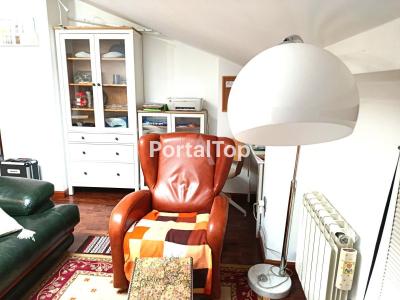
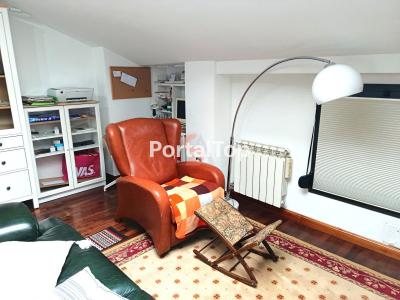
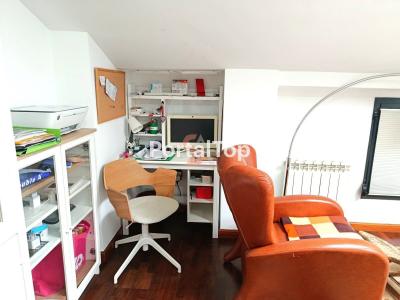
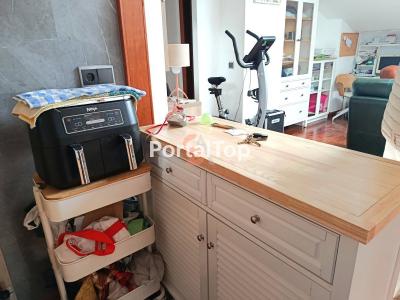
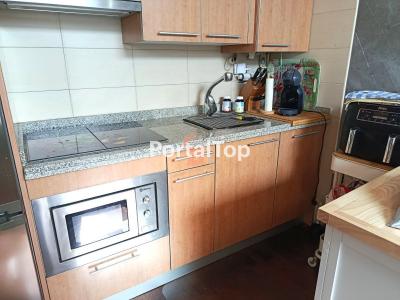
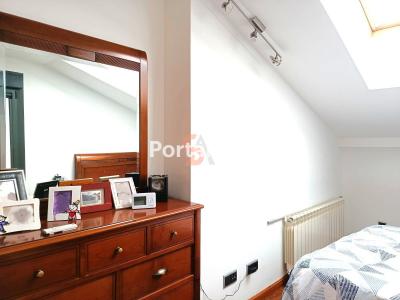
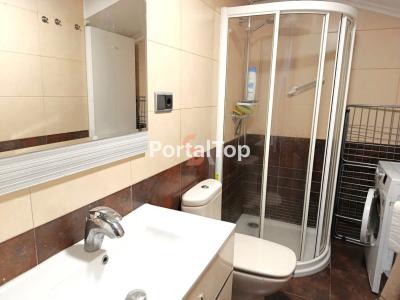
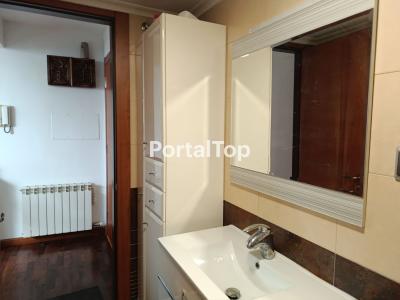
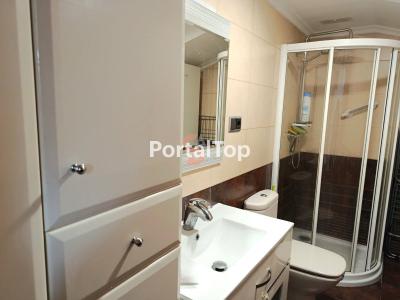
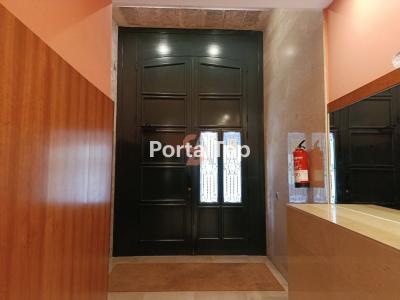
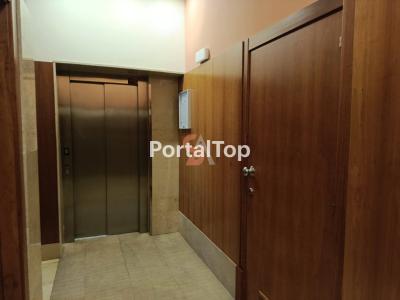
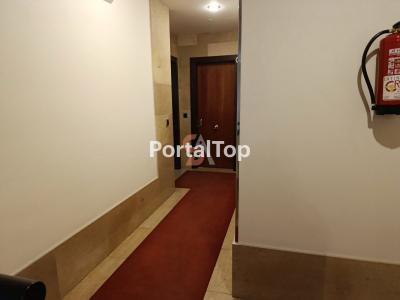

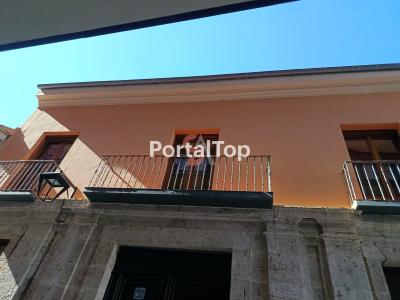



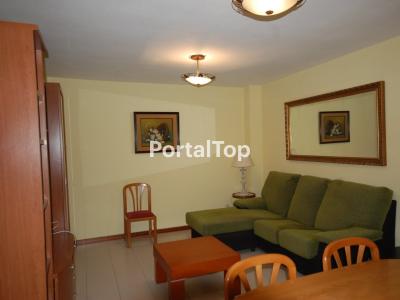
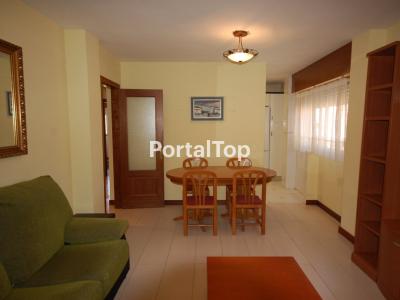
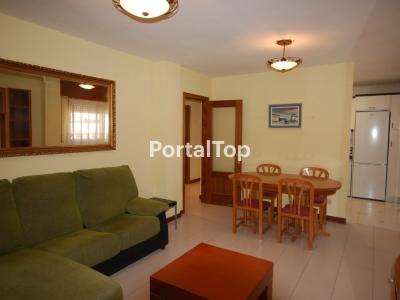
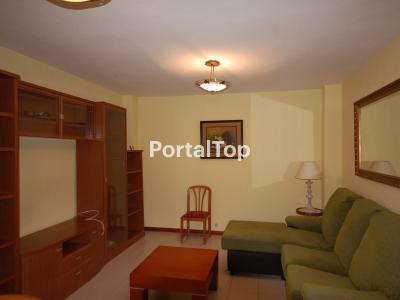
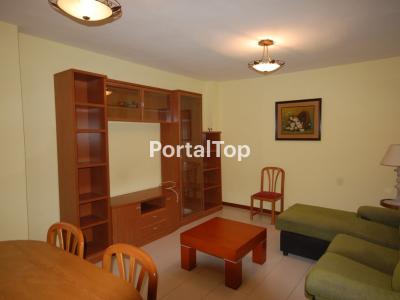
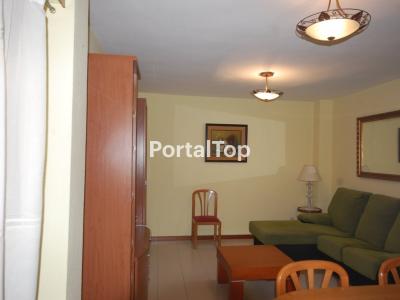
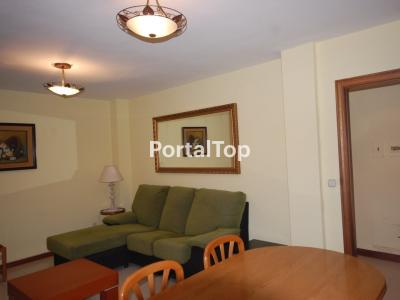
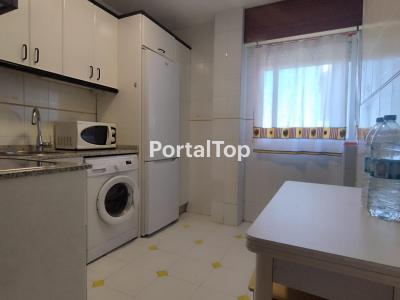
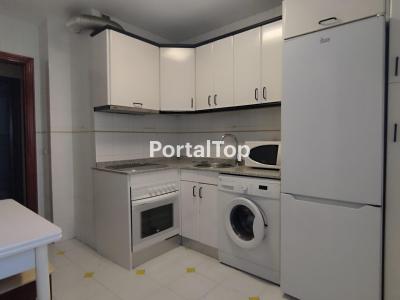
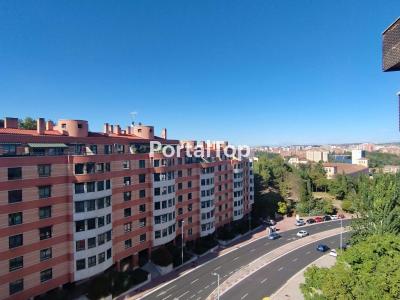
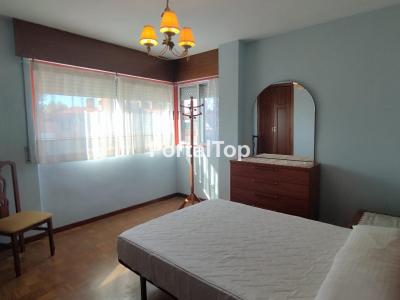
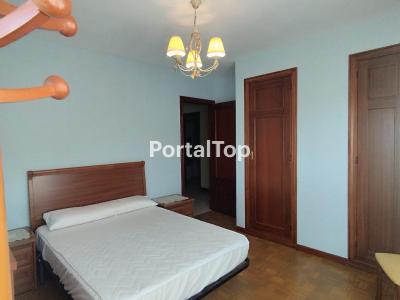
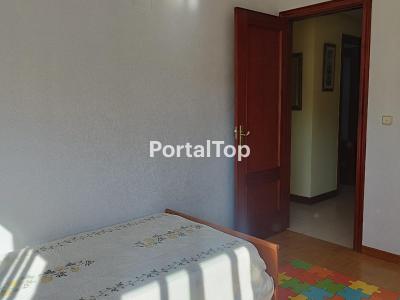
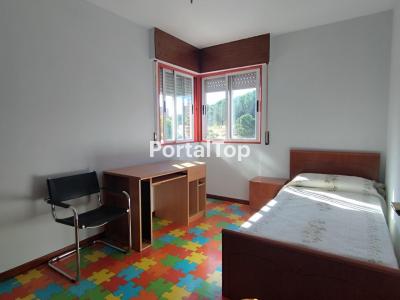

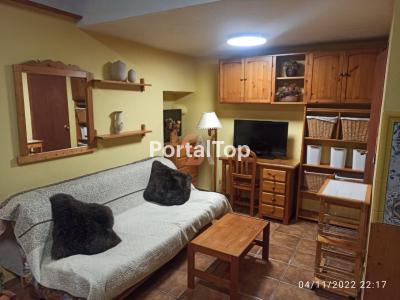
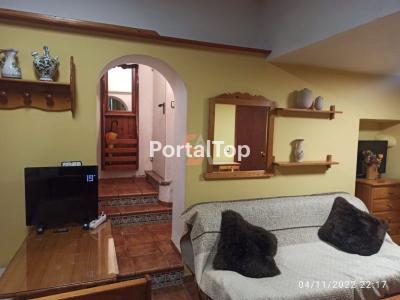
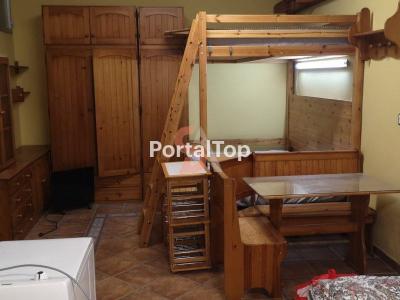
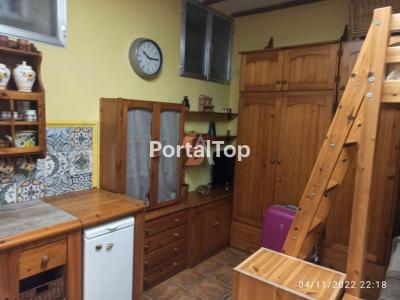
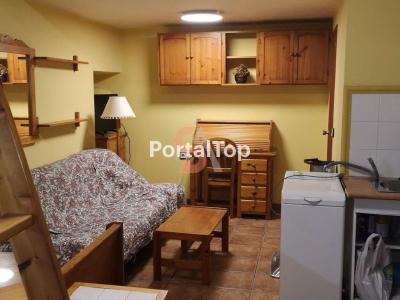
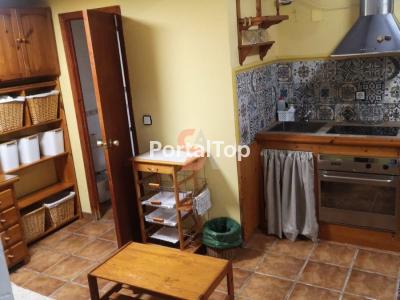
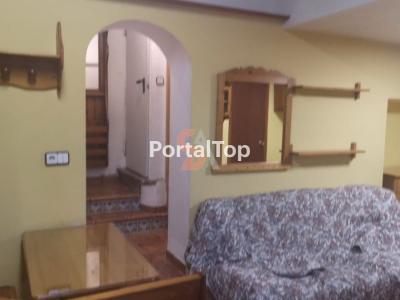
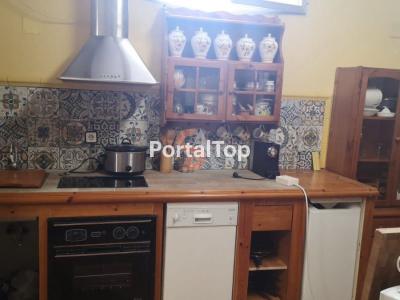
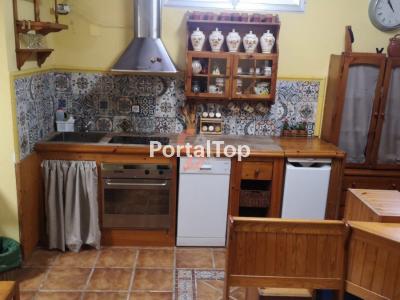
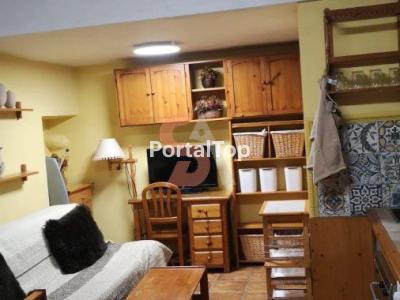
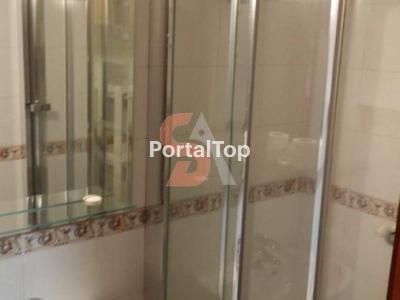
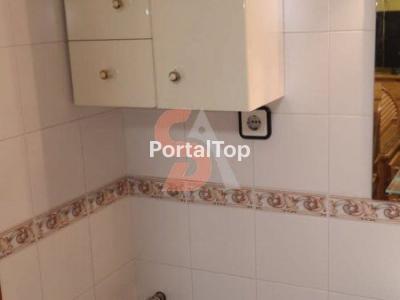
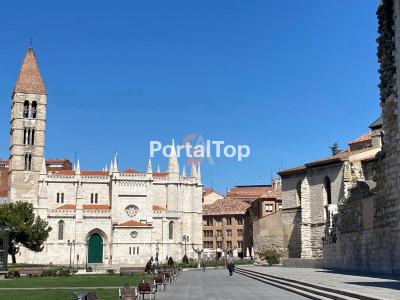
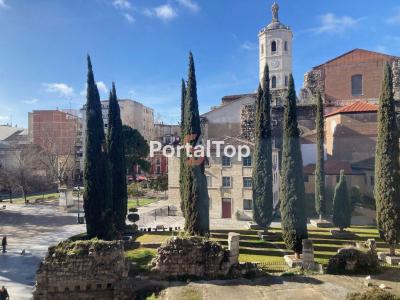
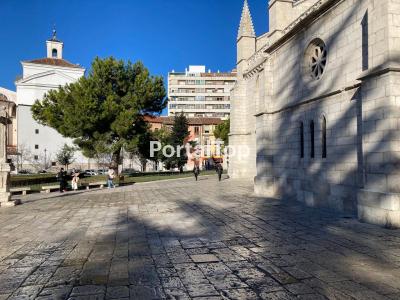
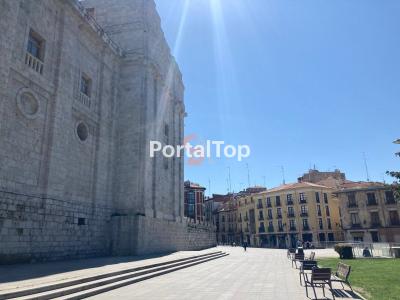
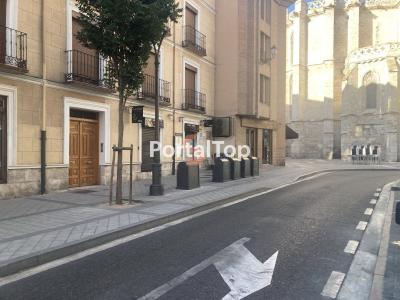
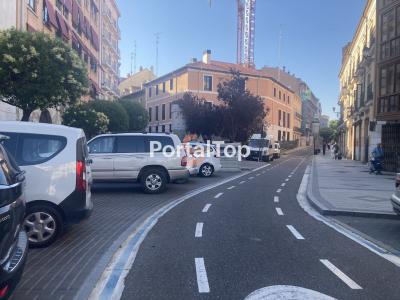
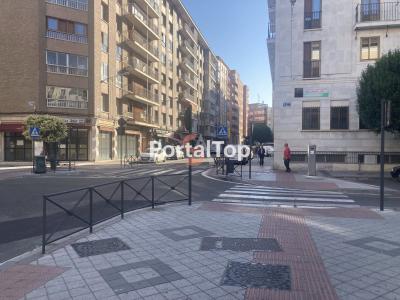
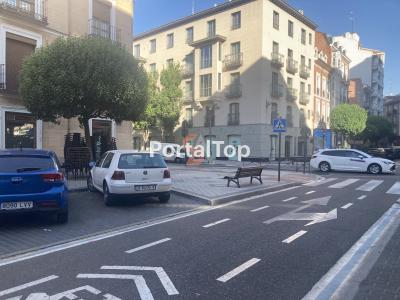
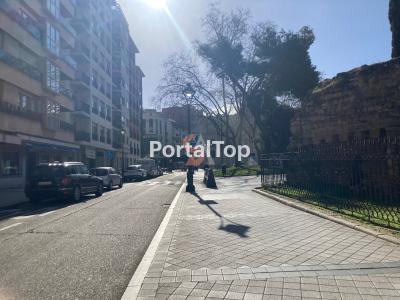
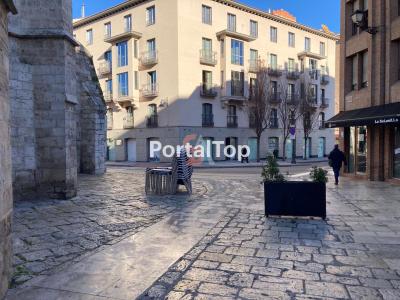
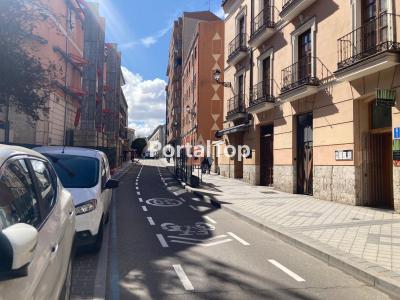
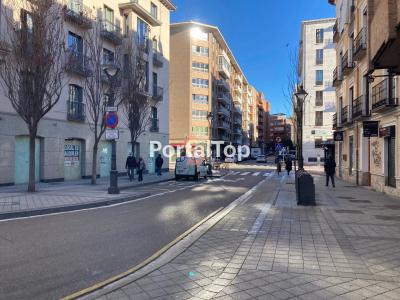
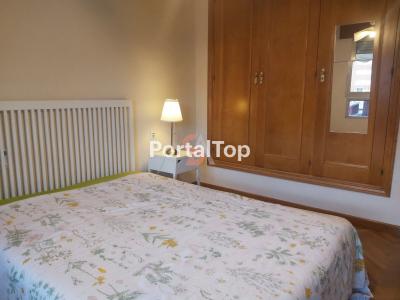
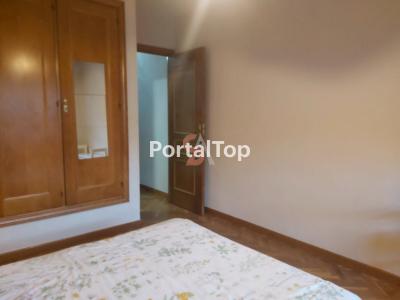
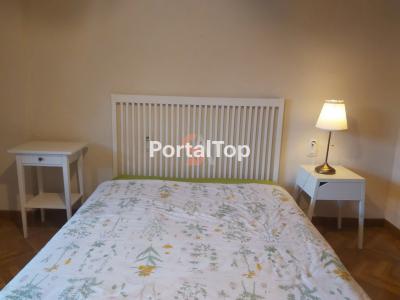
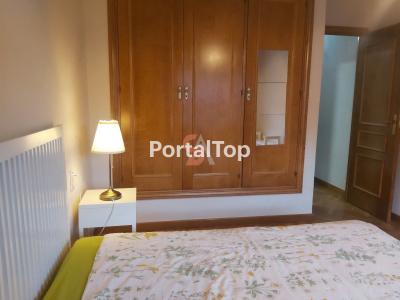
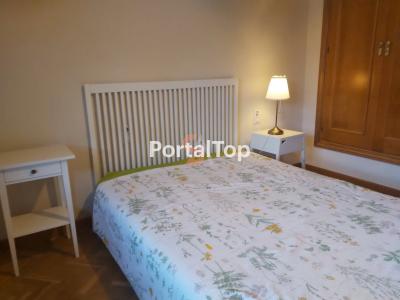
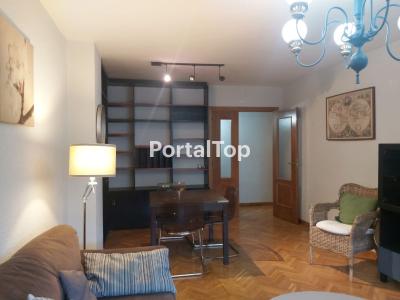
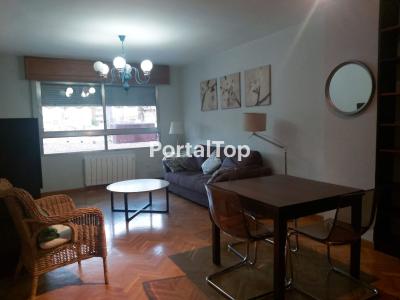
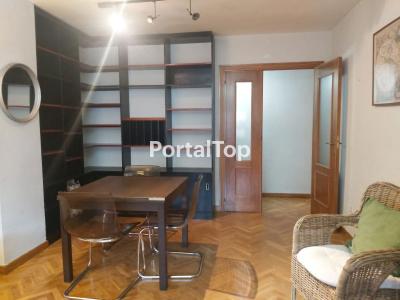
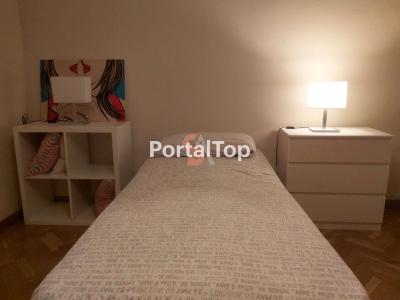
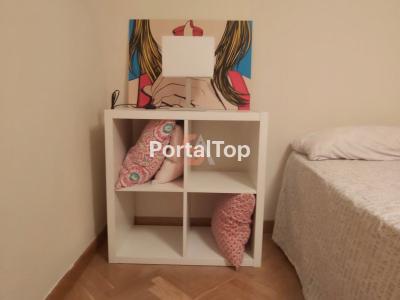
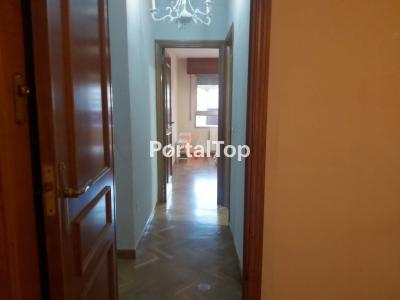
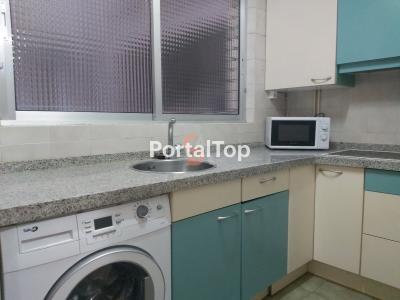
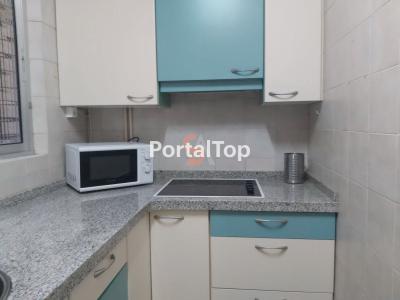
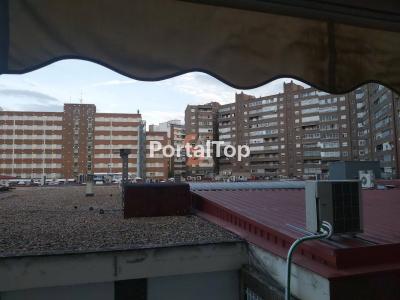
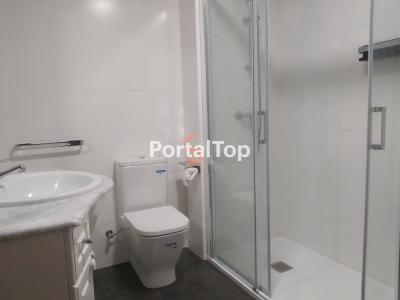
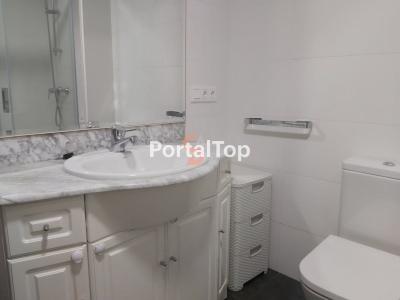
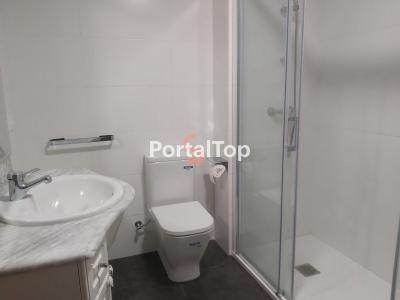
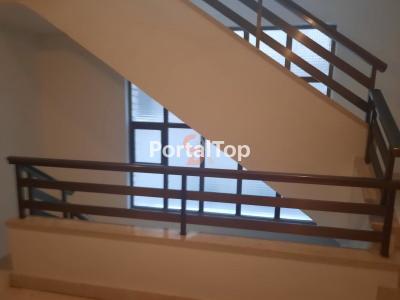
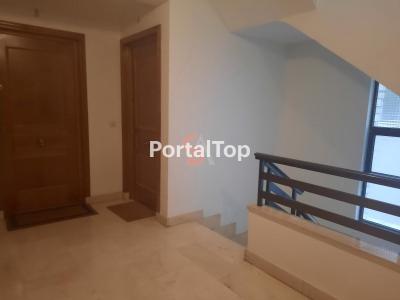
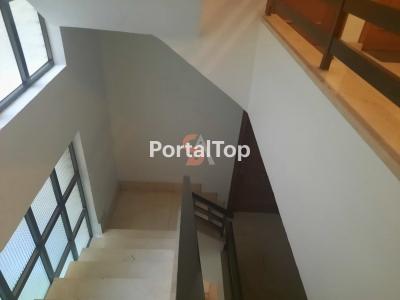
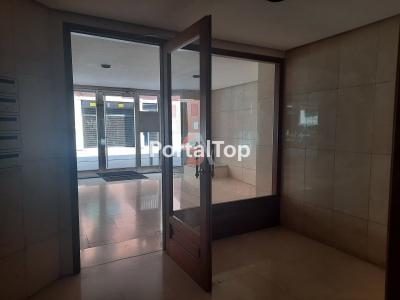
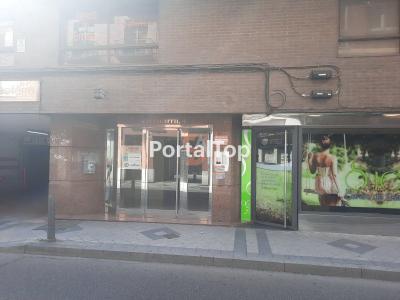
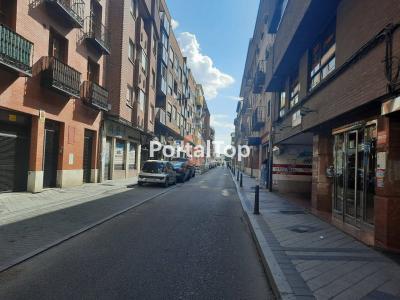
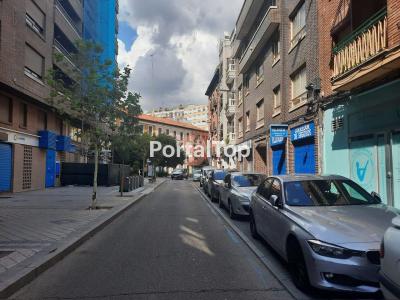
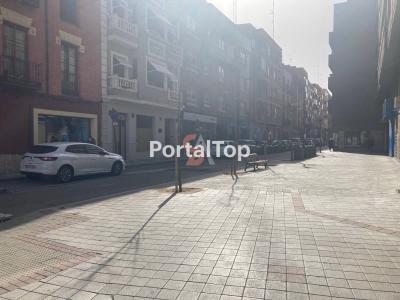
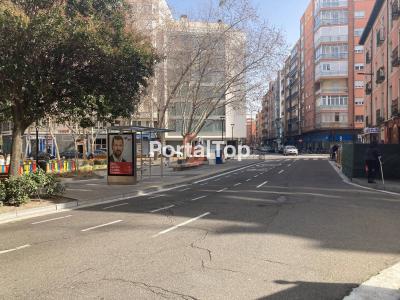
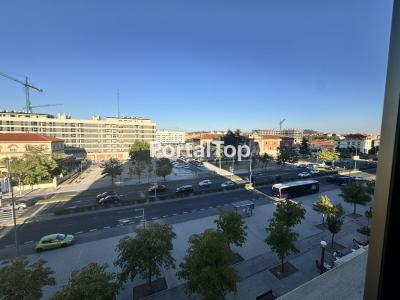
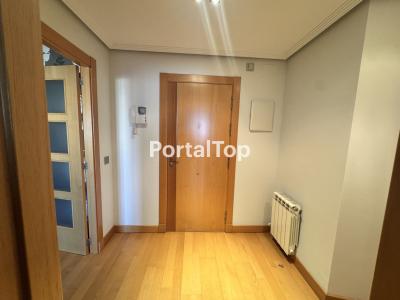
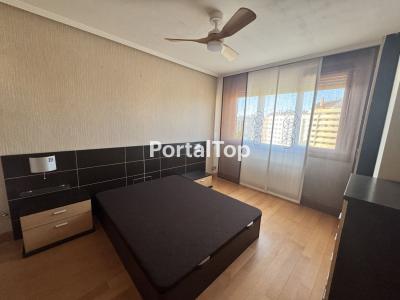
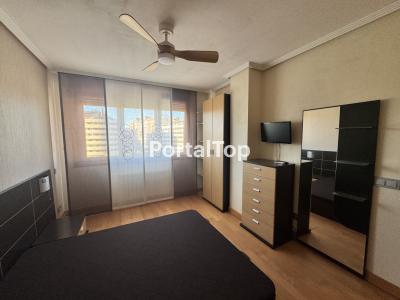
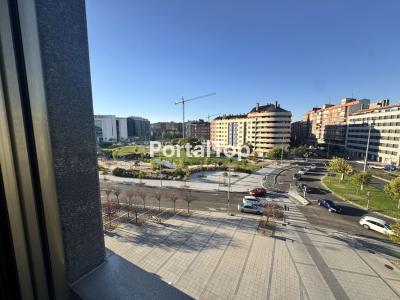
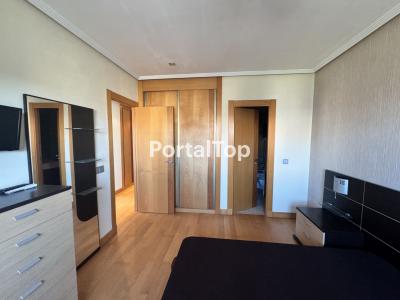
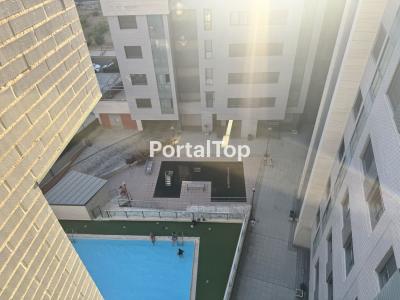
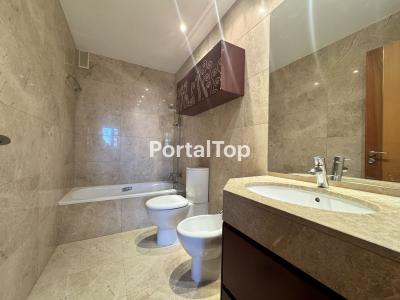
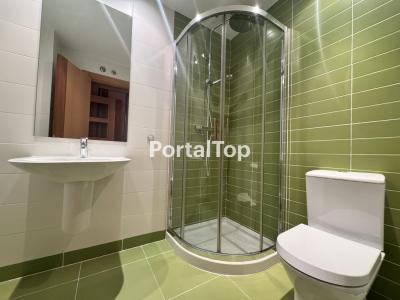
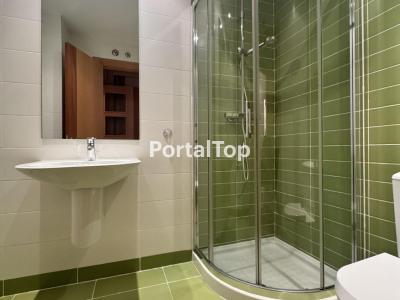
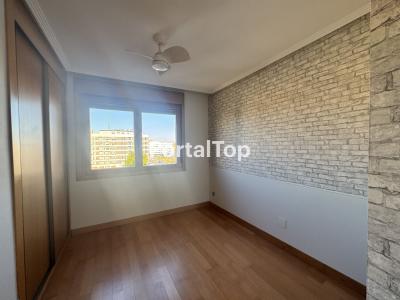
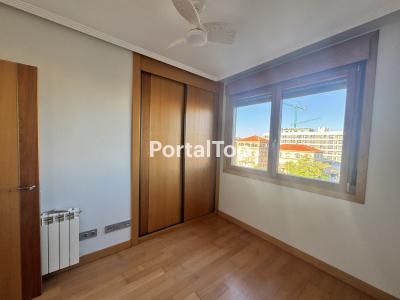
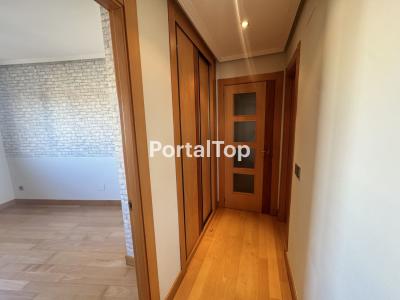
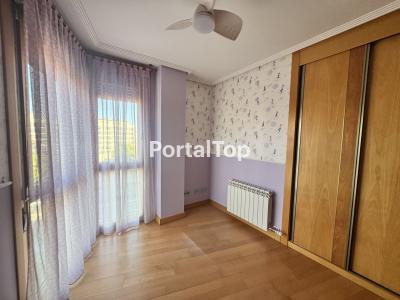
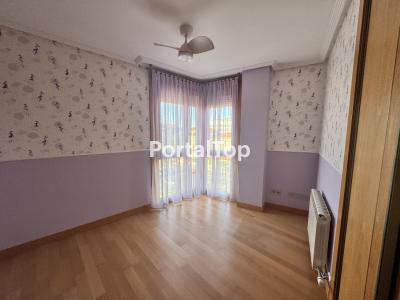
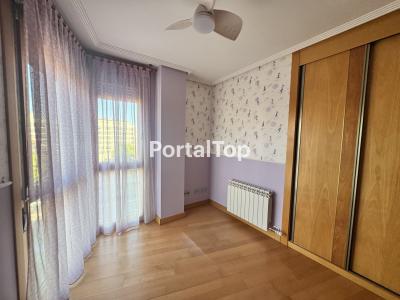
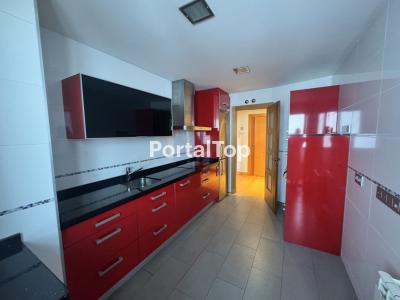
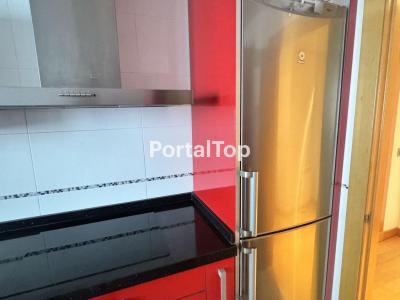
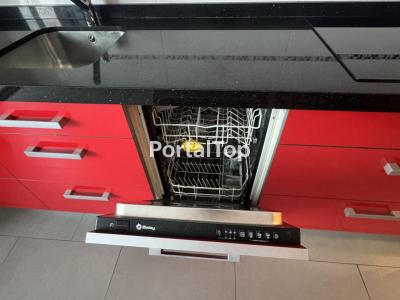

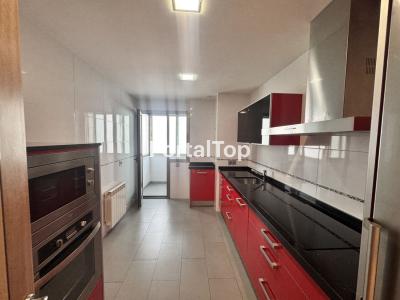
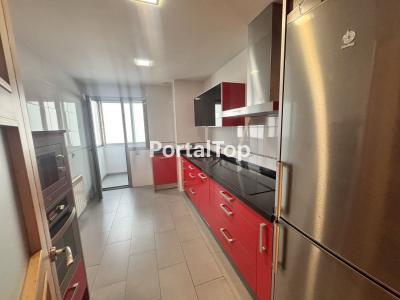
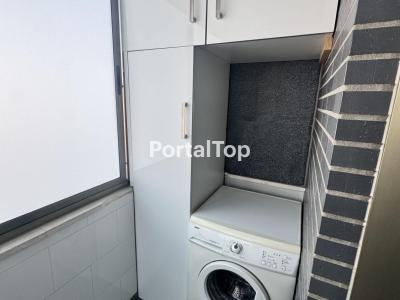
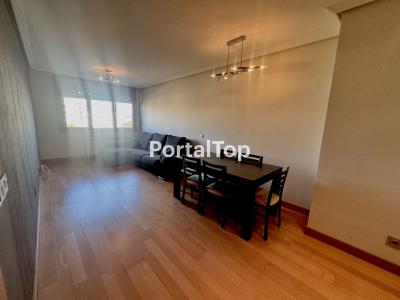
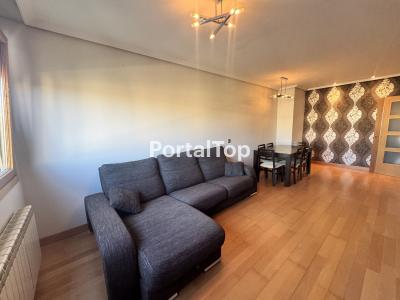
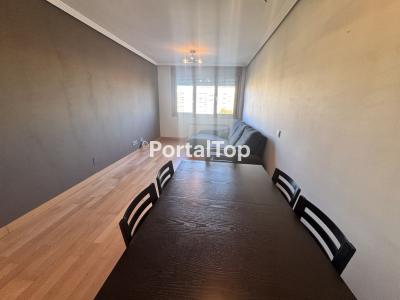

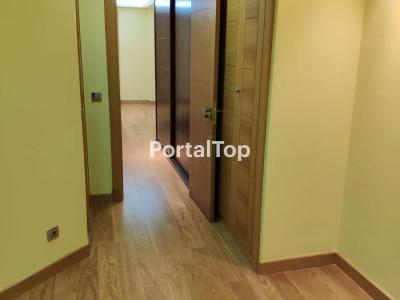
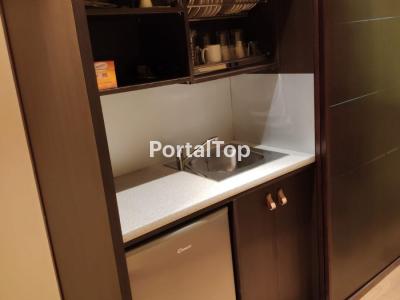

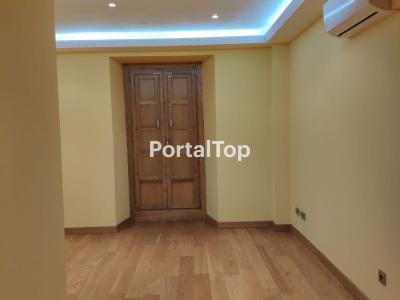
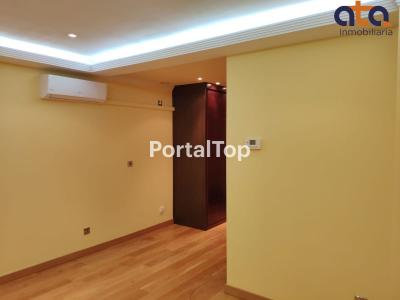
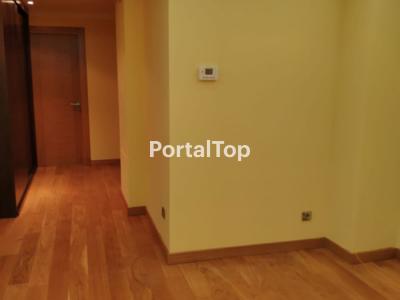
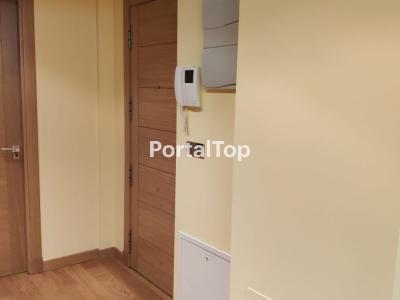
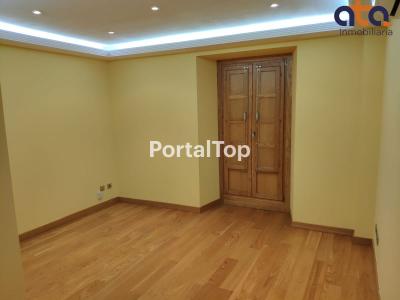

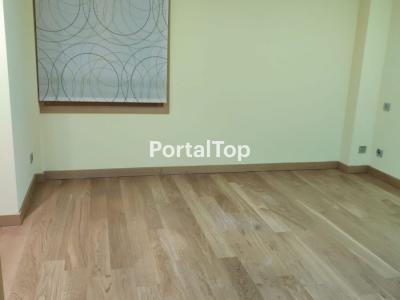


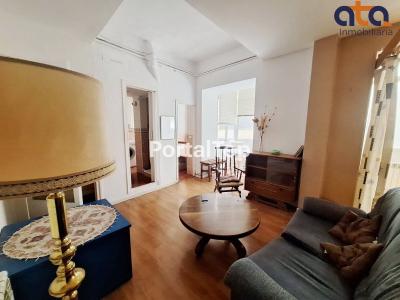
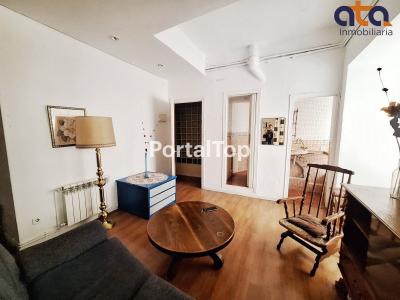
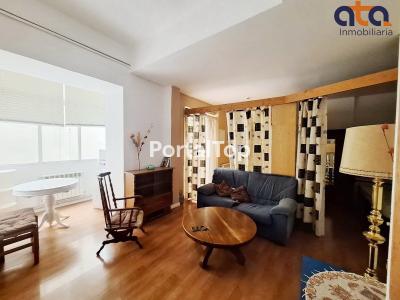
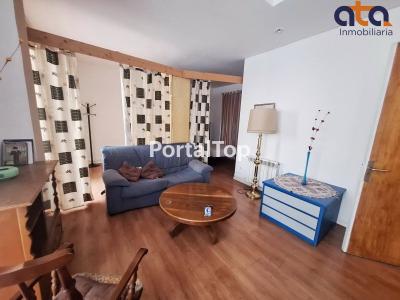
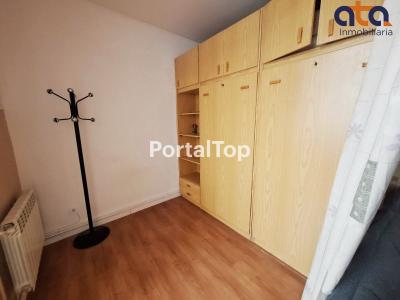
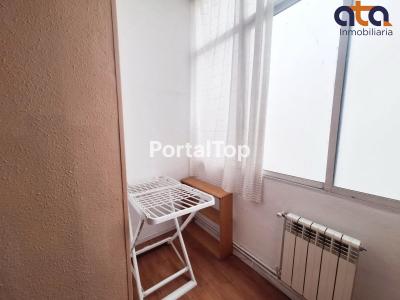
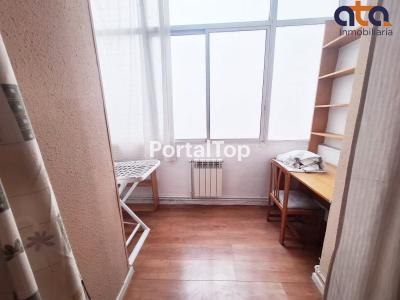
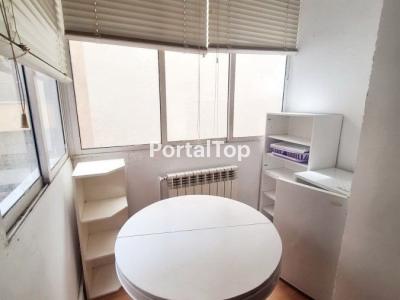
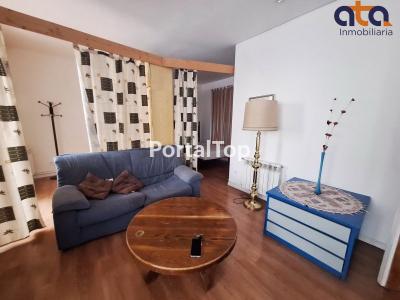
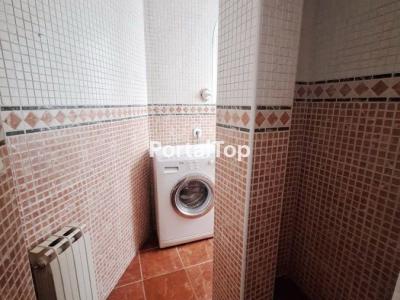
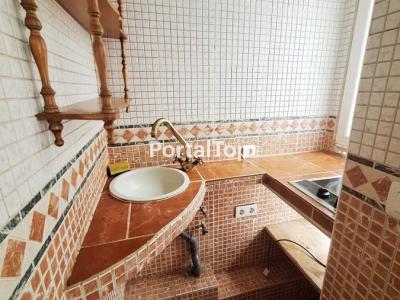
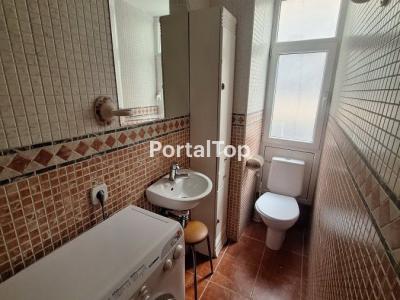

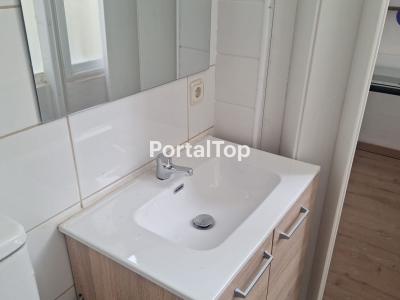
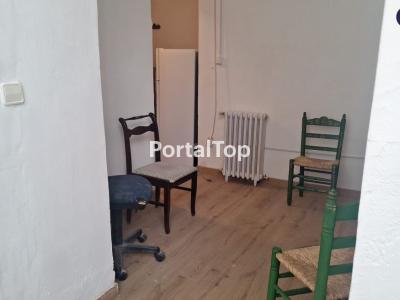
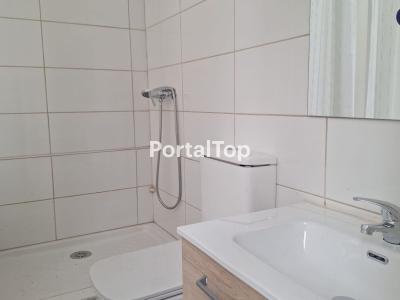
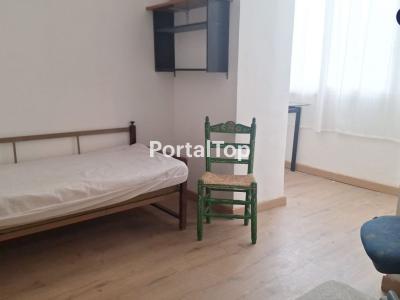
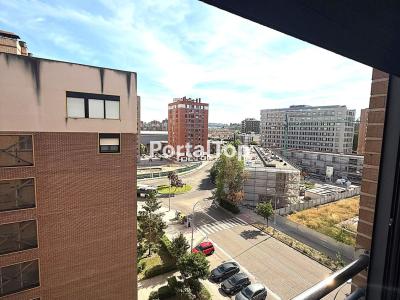
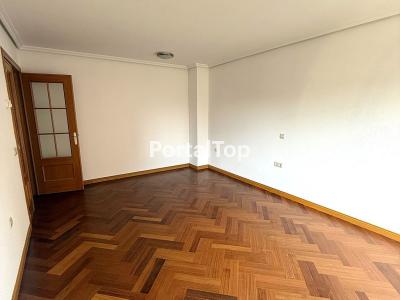
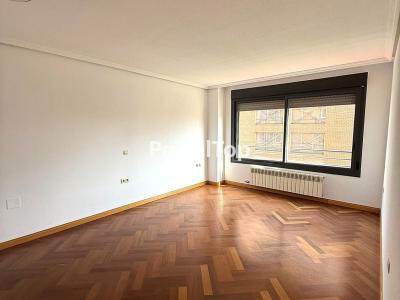
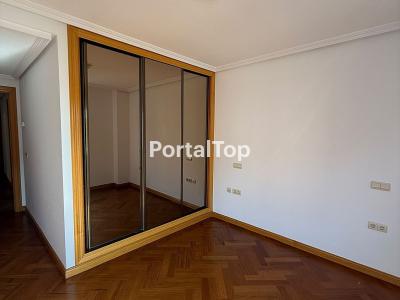
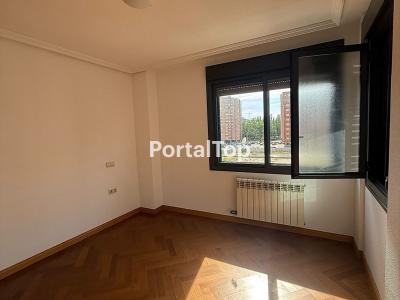
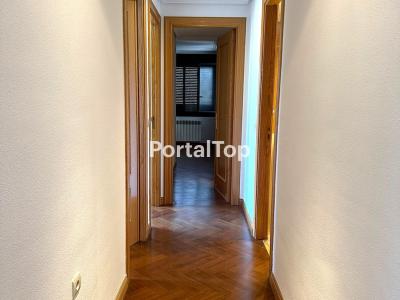
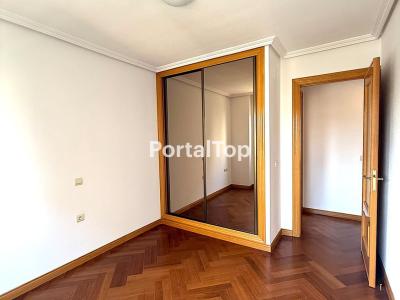
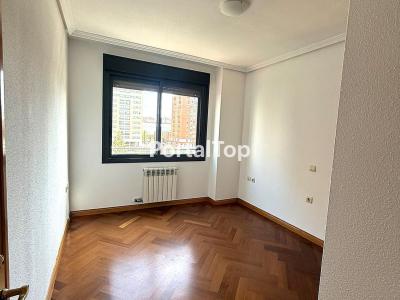
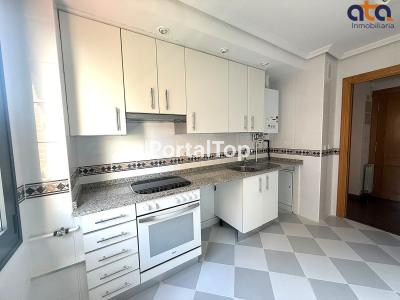
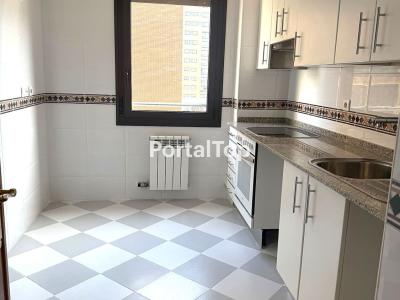
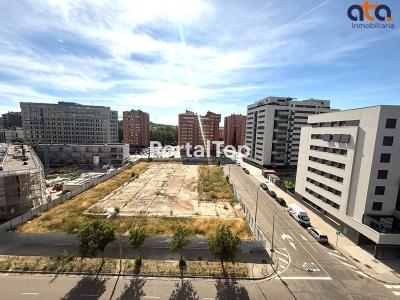
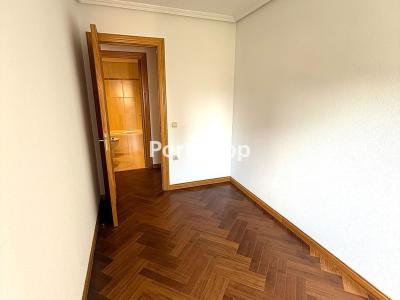
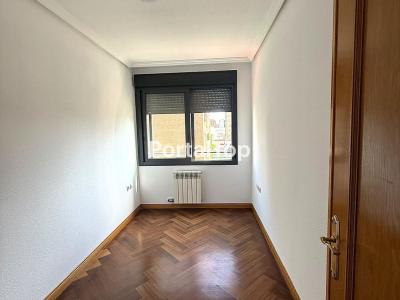
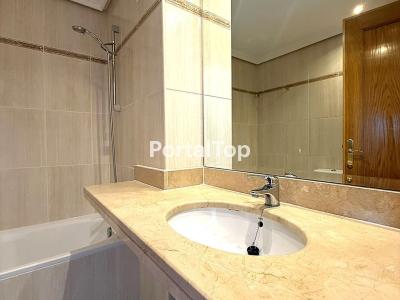
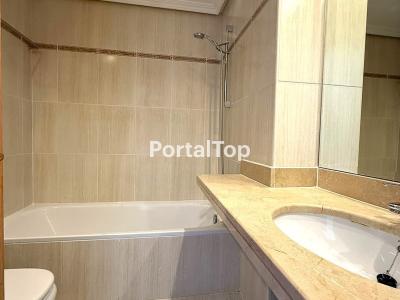
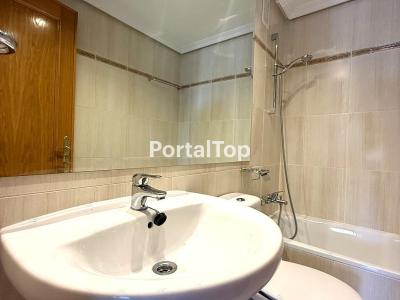
0 From 10 ad|ads
Explore more cities in Valladolid province
- Valladolid Capital (10)
Valladolid: a university city with the AVE and car plants, no coast, and the academic year as its calendar
Under an hour from Madrid by AVE, the province of Valladolid sits in the middle of the northern plateau, with no coast and 8,202 km² crossed by the Duero and the Pisuerga. It has 528,644 residents on 1 January 2025, and its capital, with 302,614, holds almost all of the rental market.
On that date Castilla y León held 2,401,221 people, and here the rhythm is set by the university year and the motor industry, not by a tourist season. Municipalities number over two hundred, yet a flat is sought mostly in the capital and its alfoz, the belt of towns around it.
Rental prices for flats in Valladolid: term time, factory and train (Updated November 2026)
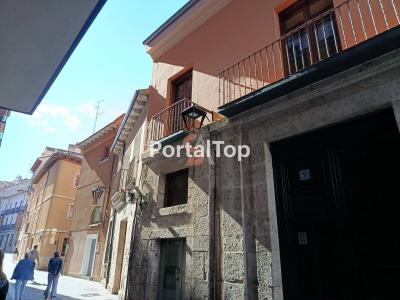
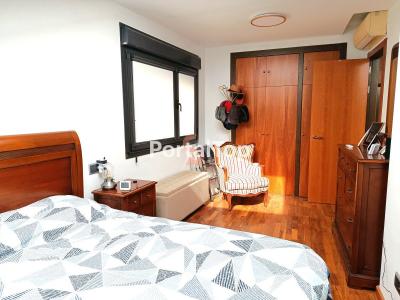
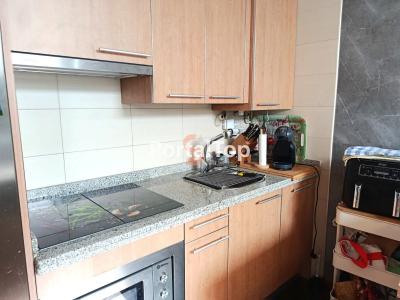
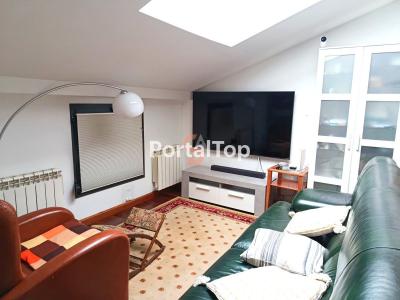
Apartments for rent in Valladolid run from 550 €/month to 2 500 €/month, with a market midpoint of 927 €/month. The spread is wide because an unrenovated neighbourhood flat sits beside a recently built apartment, and because the area around the university, the hospitals and Campo Grande station does not rent like the rest of the city.
These are the factors that weigh most in the capital and its surroundings:
- University. The university's Cardenal Mendoza apartments offer 330 places in 2026-27, alongside the Alfonso VIII residence and apartments on Paseo del Obregón; students who miss out look for a shared or compact flat on the market.
- Motor industry. Renault, Michelin, Horse Powertrain and Iveco anchor industrial jobs: Renault took on 300 workers from November 2025 to March 2026, and some of the newcomers need a home near the plant.
- Train to Madrid. The AVE from Campo Grande takes under an hour, which draws people who work in the Spanish capital but prefer a city of manageable size.
- Alfoz. Boecillo, Laguna de Duero and Arroyo de la Encomienda let villas and semi-detached houses that compete with the capital's flats.
- City buses. Auvasa carried a record 15.5 million passengers in the first half of 2025, and a flat well served by a line holds up better.
The offer shifts through the year with the academic calendar: when term restarts, young demand gathers in the old centre and beside the faculties, and the rest of the year factory staff and Madrid commuters move more. With no coast, Valladolid has no tourist summer that empties the long-term market.
Valladolid within reach by train, motorway or plane
By road you arrive on the A-62, the Castile motorway, and the A-11; the N-601 joins Adanero with Gijón through the province. About 10 km out lies Villanubla airport, with a bus to Campo Grande.
The AVE takes under an hour to Madrid. Campo Grande is also the station for trains to León, Burgos and Santander, and it lies under five minutes on foot from the bus station. At Medina del Campo a conventional and a high-speed station coincide, and a union has studied a commuter service between Palencia, Valladolid and Medina. Within the area, Auvasa also reaches La Cistérniga and Simancas.
Renting a flat in Valladolid: strengths and limits
Strengths
- Manageable size. The capital has over 300,000 residents, and a city bus network joins the districts with the hospitals and the station.
- Healthcare close by. The Río Hortega university hospital and the Clínico are both in the city.
- Wine at the door. Five designations of origin share out rosés from Cigales, reds from Ribera del Duero and whites from Rueda.
- Industrial jobs. Renault, Michelin and Iveco provide work around the capital.
Limits
- Cold winters. January averages 4.2 ºC in the 1991-2020 series, with some 10 foggy days, and July highs reach 30.7 ºC.
- Jobs tied to motors. Local work depends on a few industrial brands, and a cutback at one of them shows in demand.
- Little protected land. Only one protected area appears in the province, the Riberas de Castronuño-Vega del Duero nature reserve.
Spending free time in Valladolid: walks, flea market and heritage
The Hospital Universitario Río Hortega opened in 2009 on calle Dulzaina. To the south, the Pinar de Antequera adds almost a thousand hectares of walks, the Vallsur centre gathers the shops, and in Parquesol the Real de la Feria hosts a big flea market.
Weekends fill with nearby plans: in Peñafiel the castle houses the Museo Provincial del Vino, in Pesquera de Duero winemaking began in a sixteenth-century winepress, and the province offers rural lodging among cellars. Tordesillas has the Casas del Tratado, where Queen Juana I lived confined for 46 years, and in Simancas the national archive fills a fifteenth-century castle.
Frequently asked questions
What is Valladolid like to live in?
It offers a capital of manageable size, with a university, hospitals and high-speed rail, ringed by castle and cellar towns such as Peñafiel. The climate is continental with cold winters, and for work many people look towards Madrid or the motor industry.
Where are apartments for rent in Valladolid concentrated?
Mostly in the capital, near the university, the hospitals and Campo Grande, and in the alfoz of Boecillo, Laguna de Duero and Arroyo de la Encomienda. Medina del Campo, Tordesillas and Peñafiel have markets of their own, smaller ones.
What is the quality of life in Valladolid?
The capital wins on size and on the safety that guides for foreign residents highlight; the province adds wine and castles. In return there is little protected nature and employment leans heavily on industry.
How does the offer change between summer and winter?
With no coast, the change comes from term time, not tourism: young demand bunches when classes restart, and the rest of the year factory workers weigh more. In winter, with January at 4.2 ºC on average, a well insulated flat is valued more.
What is the average rent in Valladolid?
The midpoint is around 927 €/month across the province. The area around the university and Campo Grande tends to sit above it, and the plain villages below it.
Which is the best area of Valladolid to live in?
In a province the town matters more than the district. For services choose the capital, with the Rondilla beside the Clínico; for countryside and cellars, Peñafiel or Tordesillas; and for a villa close to town, Laguna de Duero or Boecillo.